With contributions by: Adam Adriss, Aktiegroep Nieuwmarkt, Annegriet Wietsma, Amator Archives, Bijlmerkrakers, Boudewijn Ruckert, Bruno Ruggeri, D, Elke Uitentuis, Elsa Baslé, Experimental Jetset, Femke Dekker (Loma Doom), Fort van Sjakoo, Guilly Delano Koster, Hasan Halilov, Het Vrije Archief, Luna Hupperetz, Niet te Koop, Nur Horsanalı, Quirine Kennedy, Rob Stolk, Siri Tvorup, Spookstad, Teferi Mekonen, Villa Intifada, We Are Here, Wilfried Jansen Op Den Haar, Wouter Stroet.
Editors: Femke Dekker with Werker. Design: Hasan Halilov with Werker.
An initiative by Werker Collective.
24 pages, 42 ✕ 29.7 cm, single color offset, with a poster by Experimental Jetset. Languages: English, Dutch.
Price: €7,00 (excl. shipping)
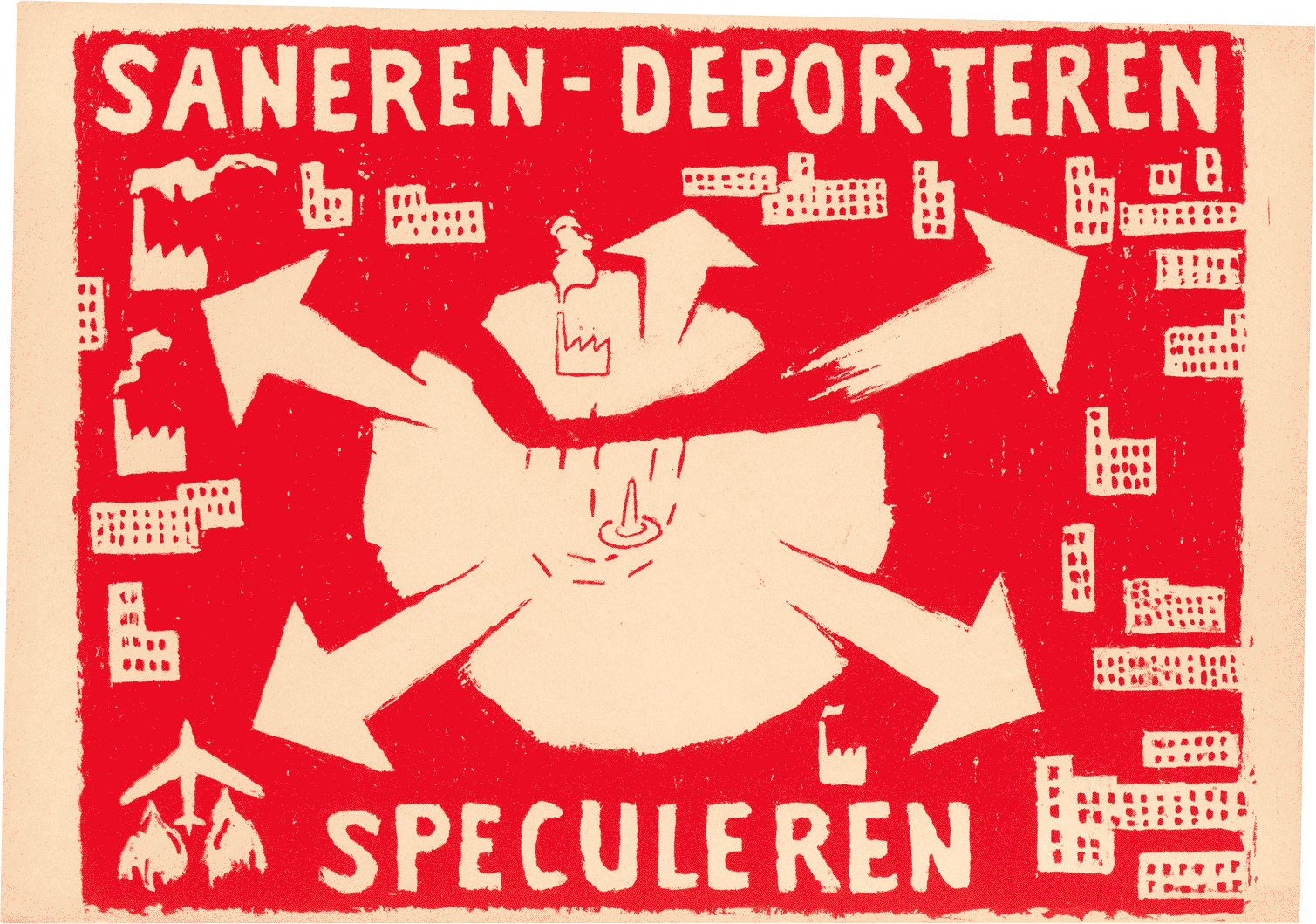
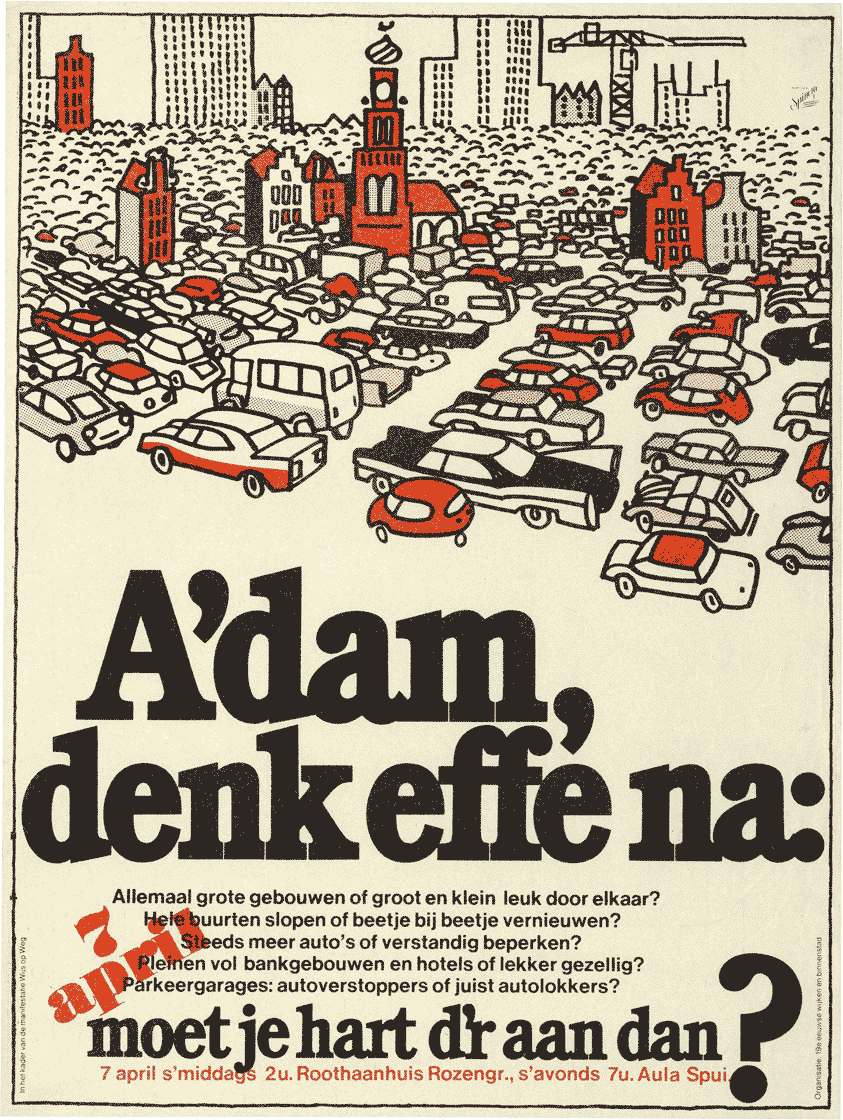
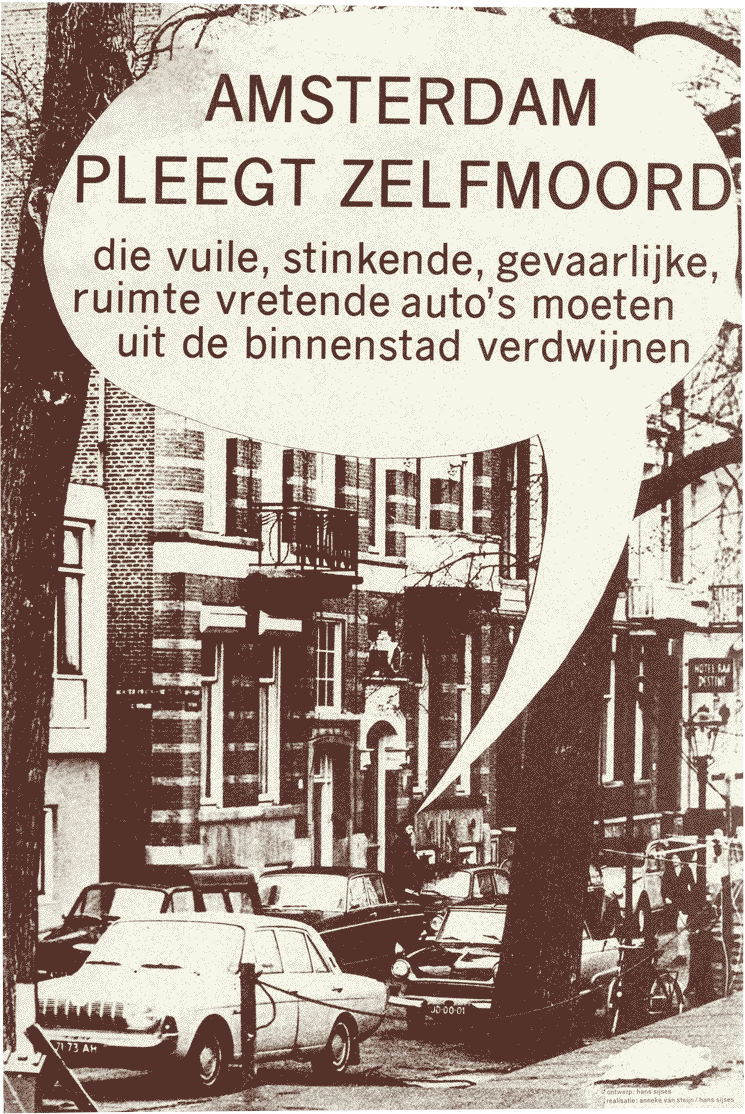
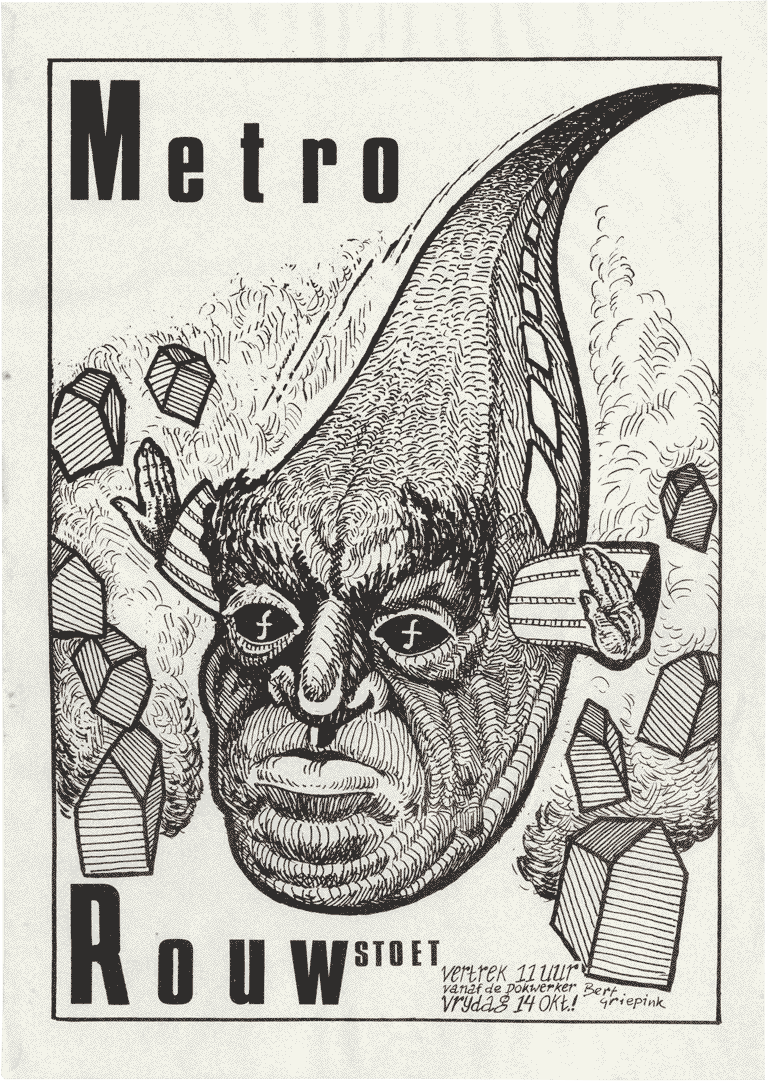
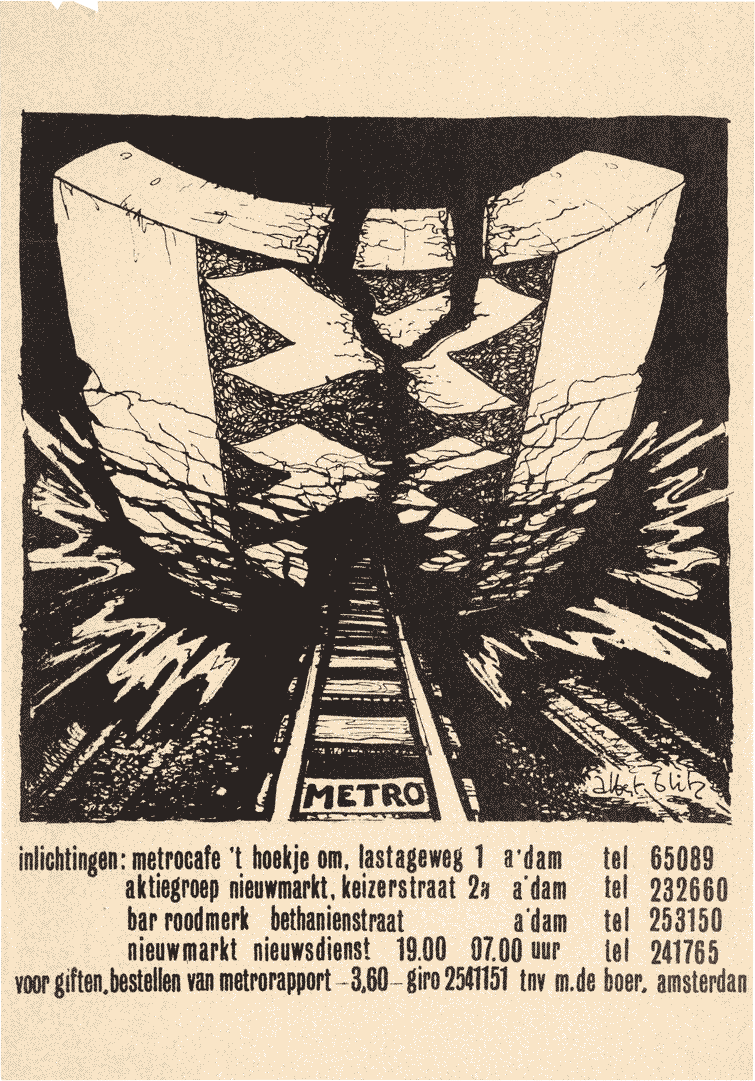
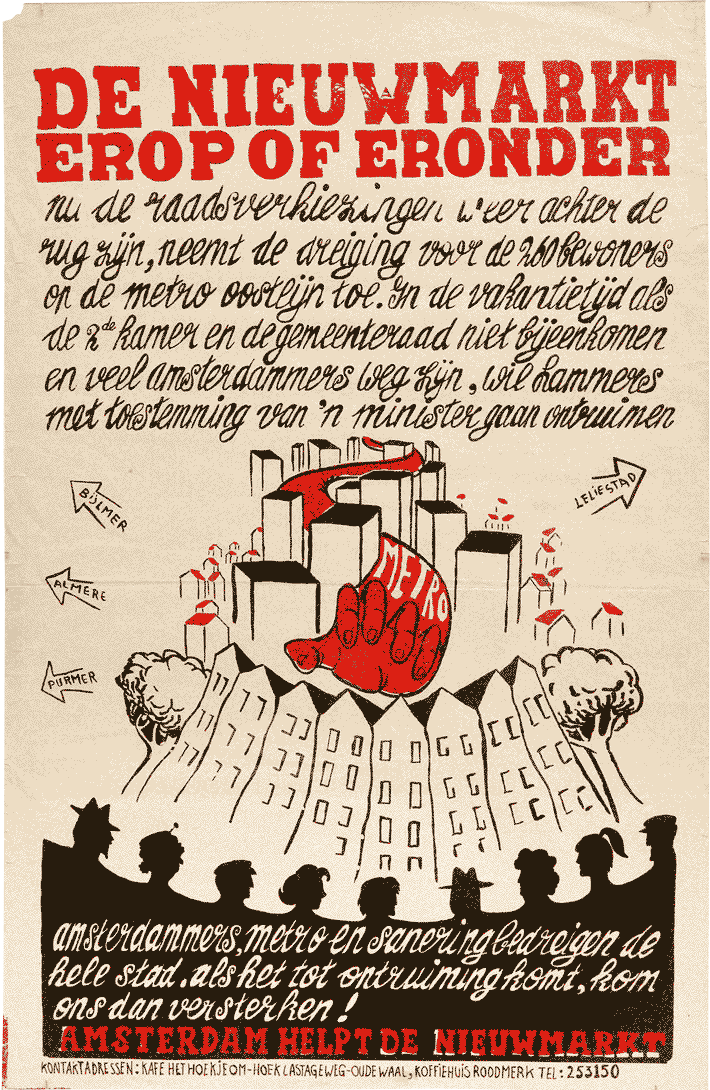
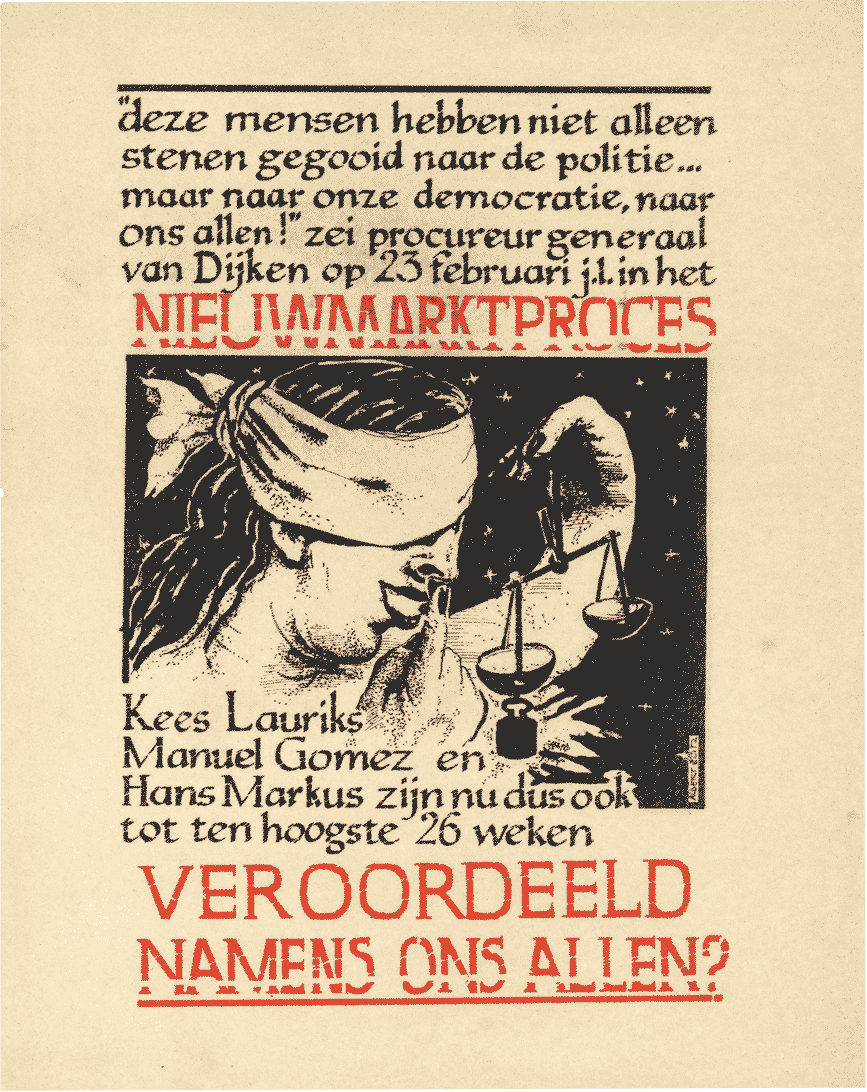
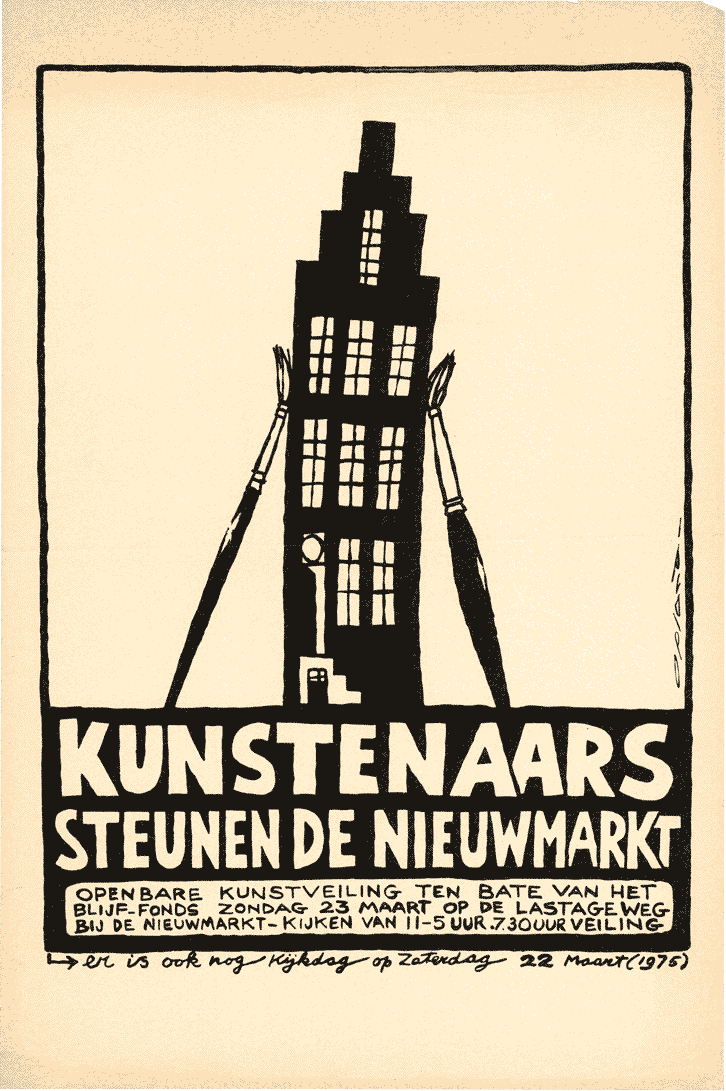
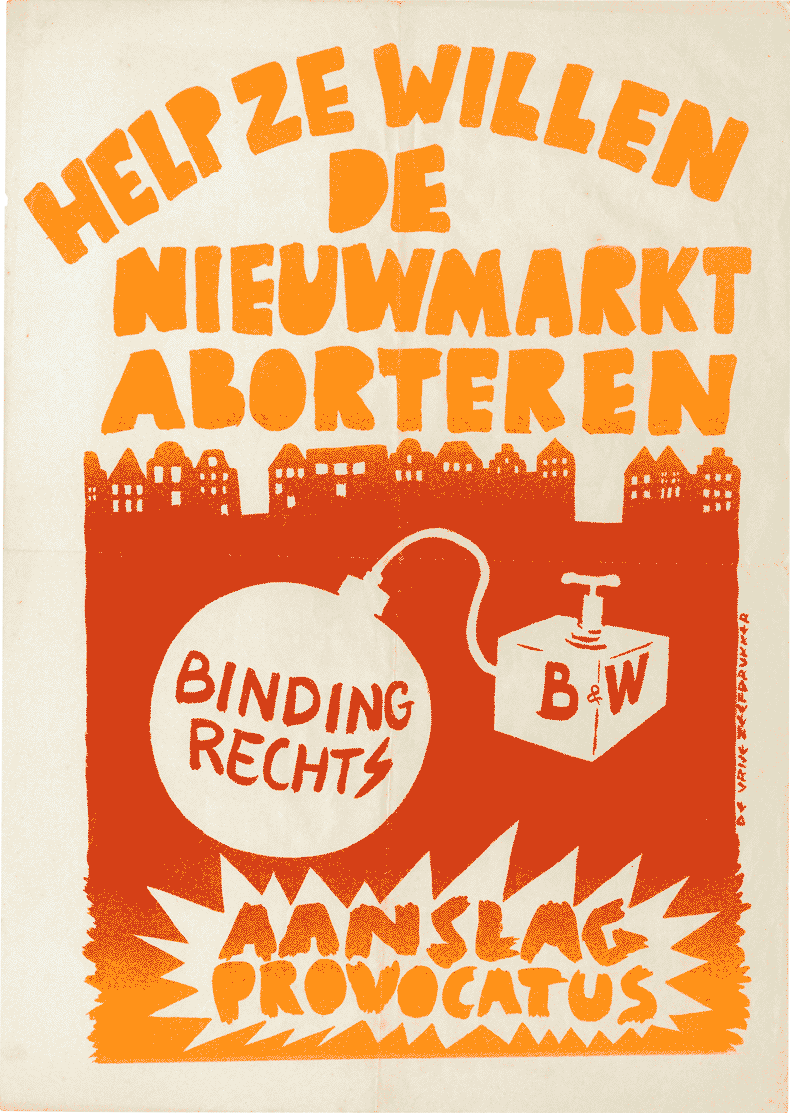
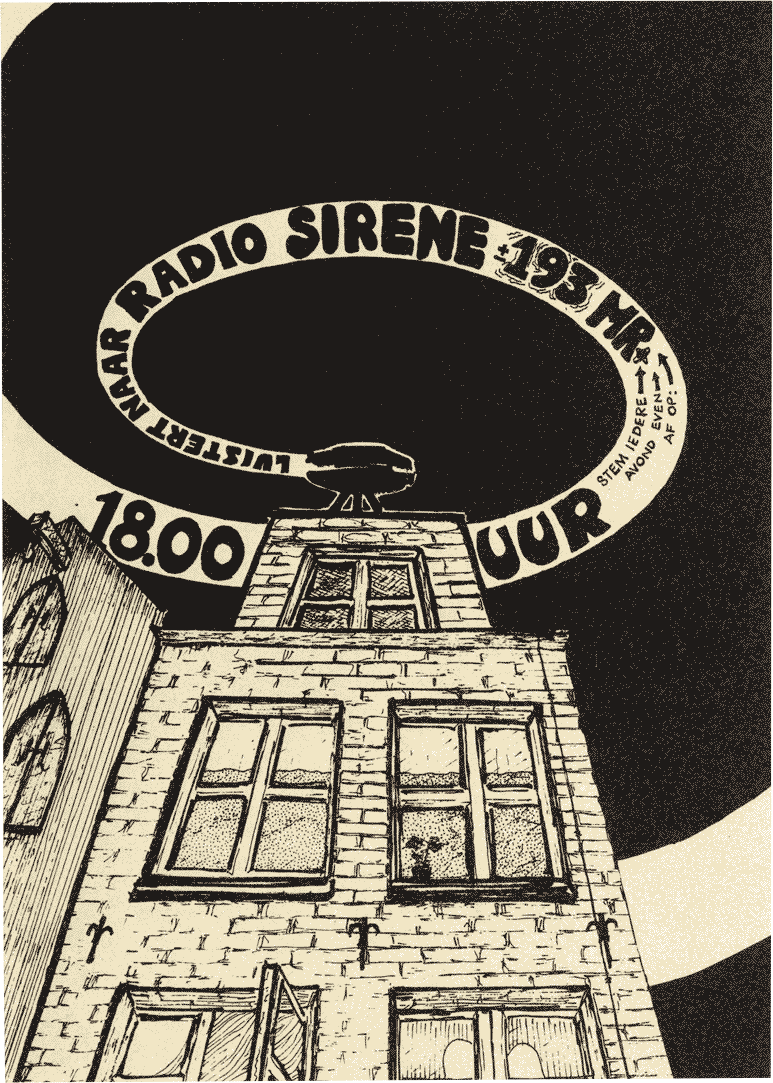
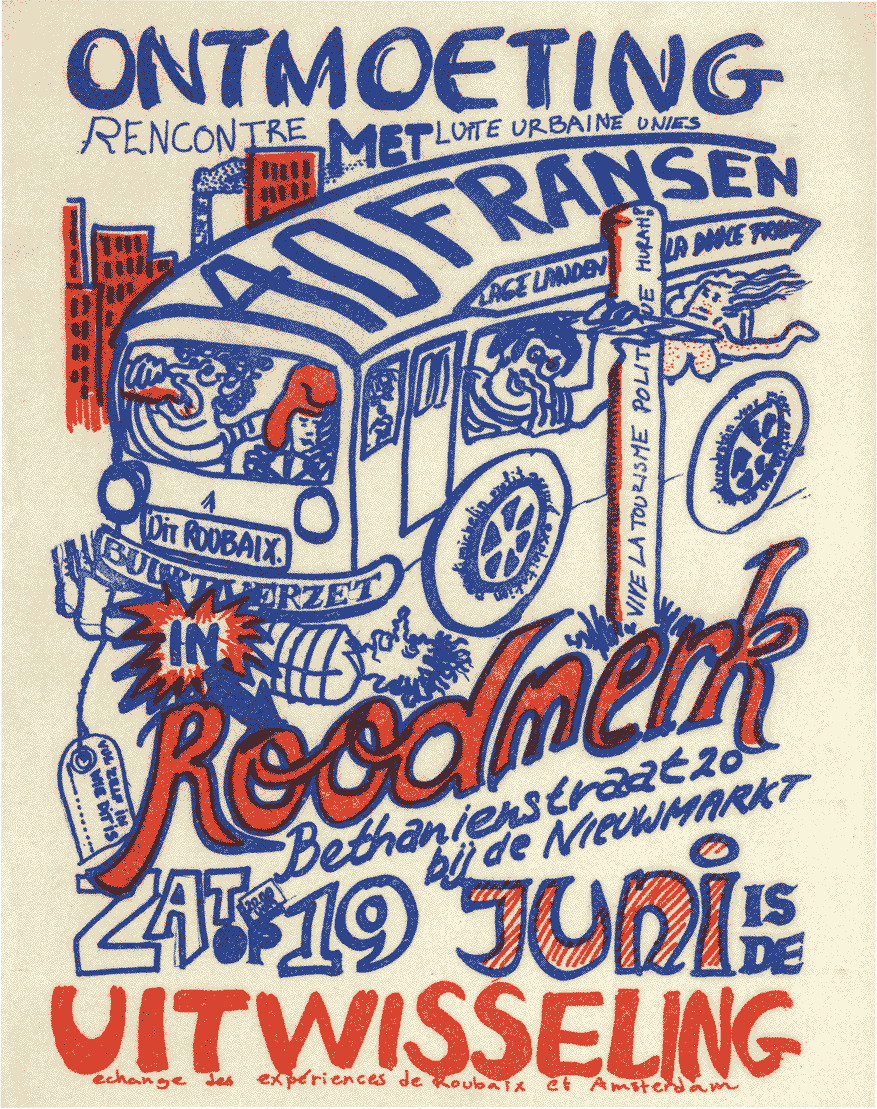
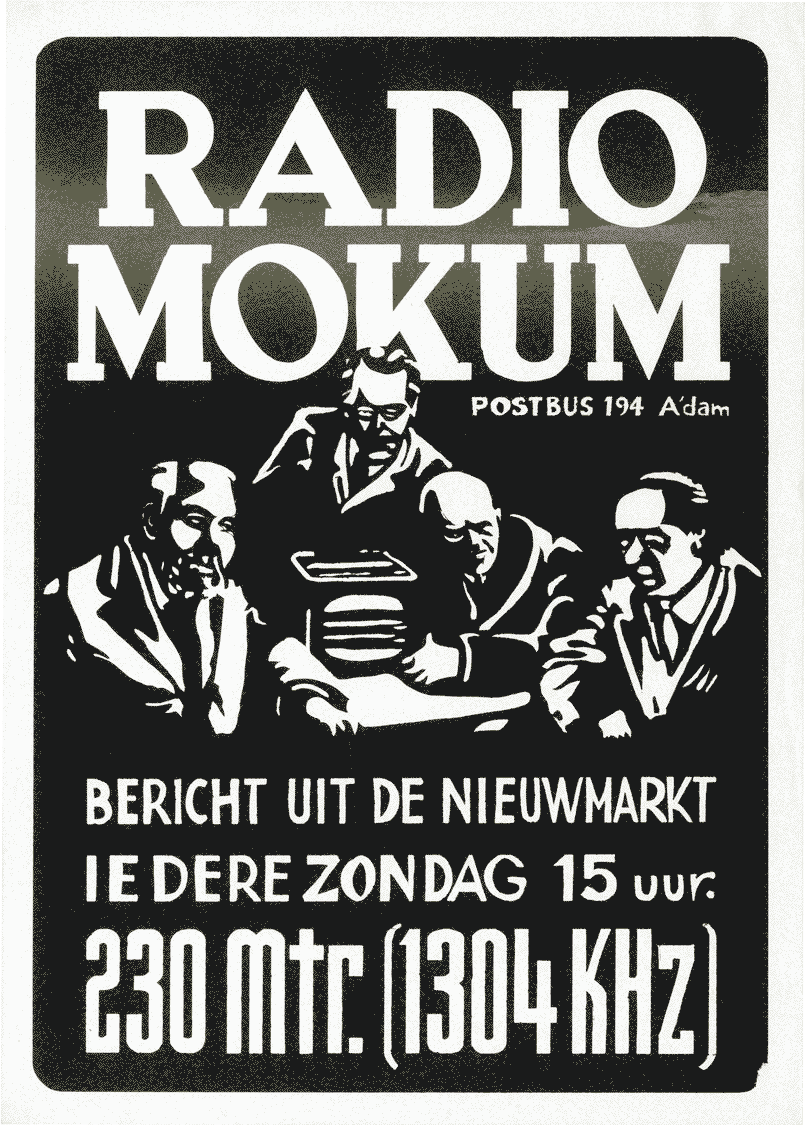
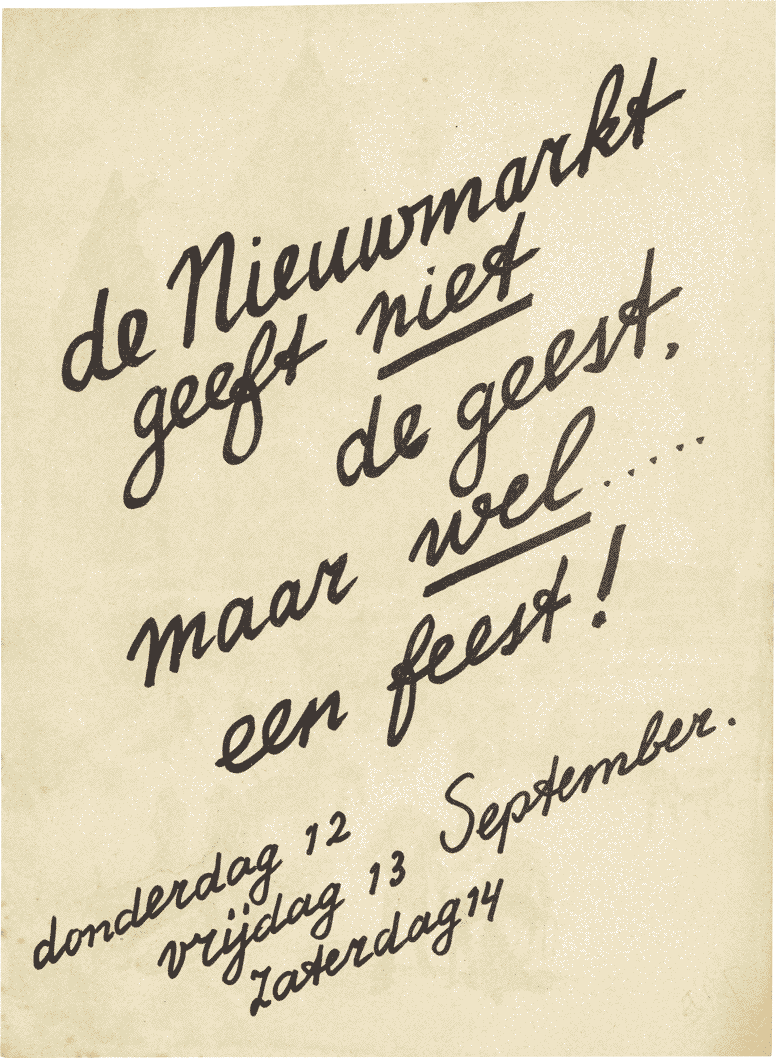
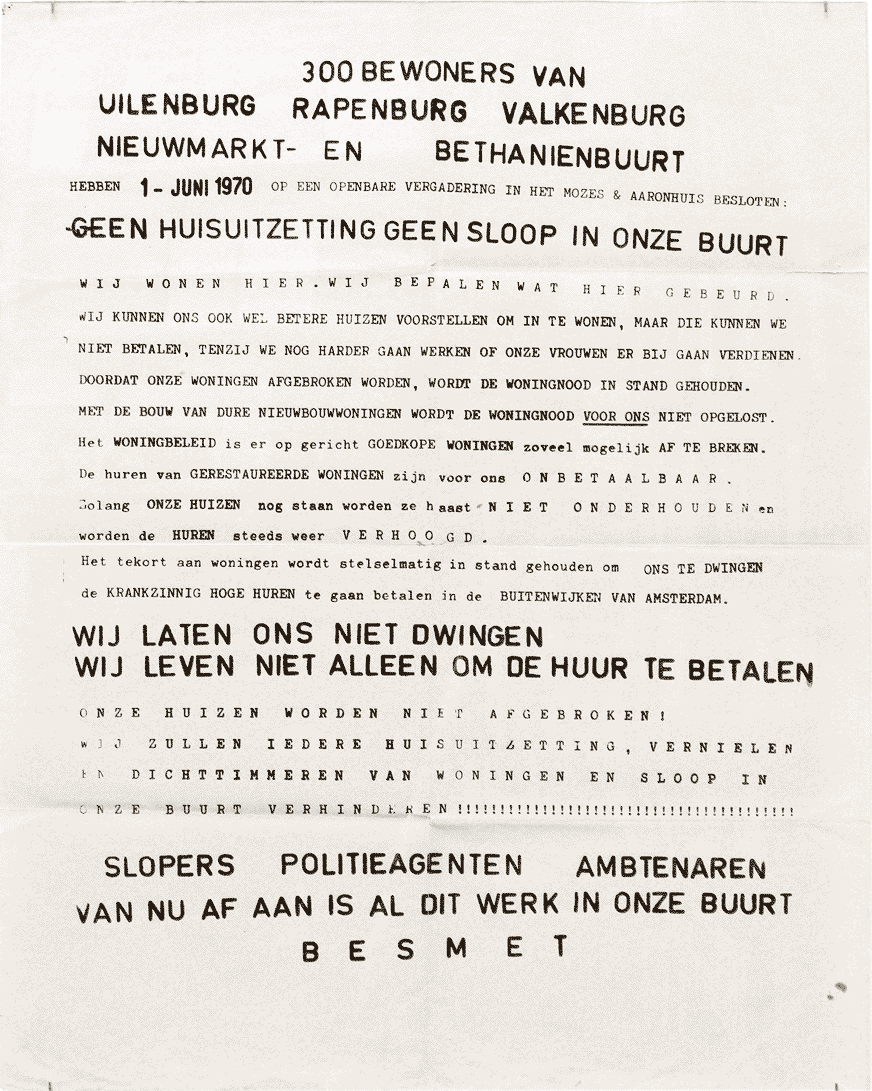
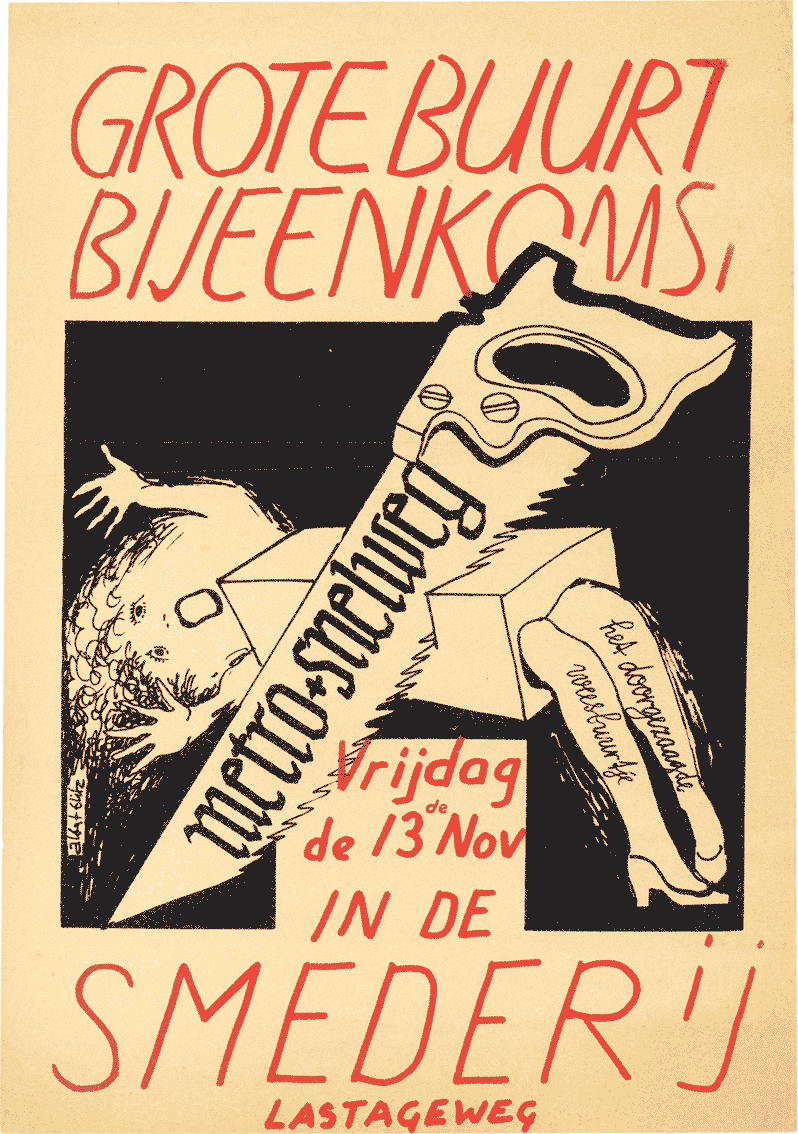
NIEUWE NIEUWSMARKT (NNM) is a biannual magazine made in the Nieuwmarkt neighbourhood. NNM is an initiative of Werker Collective and aims to address urgent matters affecting our lives in Amsterdam. By presenting stories, documents, and photos from both the past and the present, we create space for new collective actions. NIEUWE NIEUWSMARKT takes its name from Nieuwsmarkt, a bulletin issued between 1971 and 1972 by the Action Group Nieuwmarkt in protest against the municipality’s plans to demolish the Nieuwmarkt and Lastage neighbourhoods to build a highway and metro line.
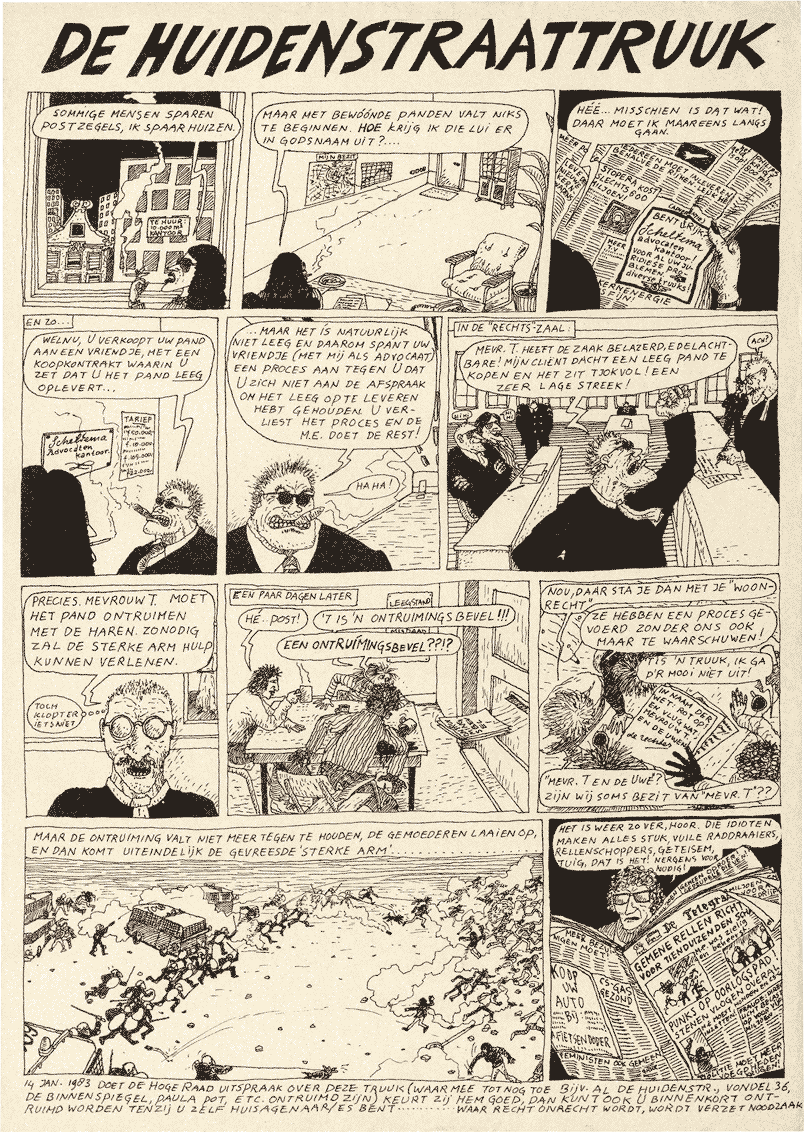
In this first issue we tackle the HOUSING STRUGGLE! We live in times where access to housing is becoming increasingly difficult in Amsterdam. Social housing is being sold to the private sector, while the waiting list for social housing is absurdly long and unbearable. Apartments for students and artists are scarce and unaffordable. After a 4.1% increase in 2023, rents will rise again by 5.5% in 2024. According to the International Rent Index, as of April 2024, Amsterdam is the most expensive city in the EU to rent an apartment, studio, or room. While many buildings remain empty, the law protecting the right to housing over property was abolished in 2010, and squatting was criminalised.
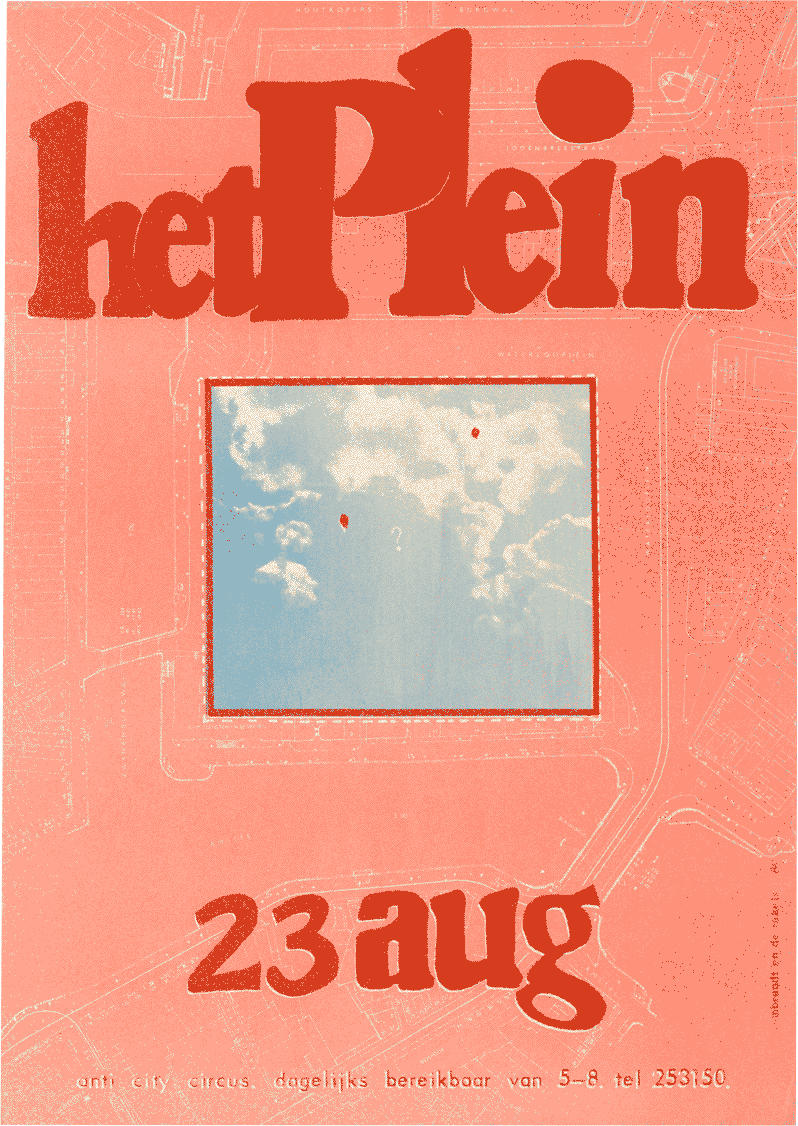
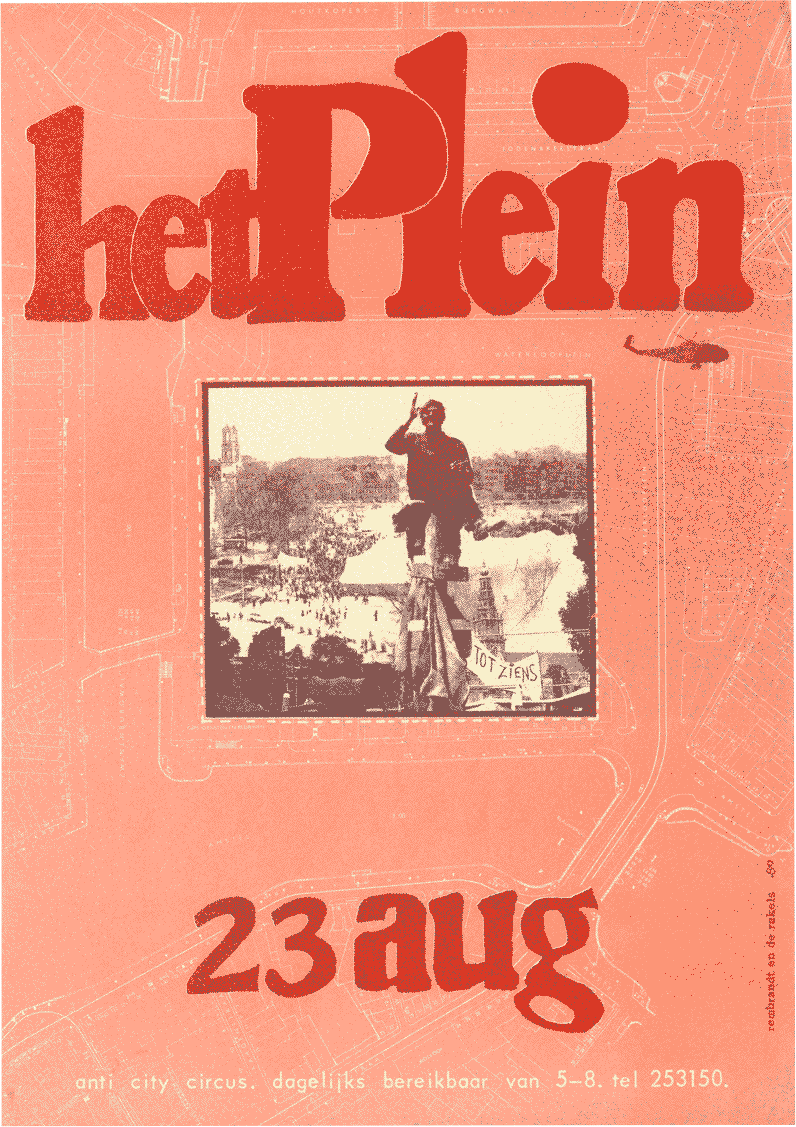
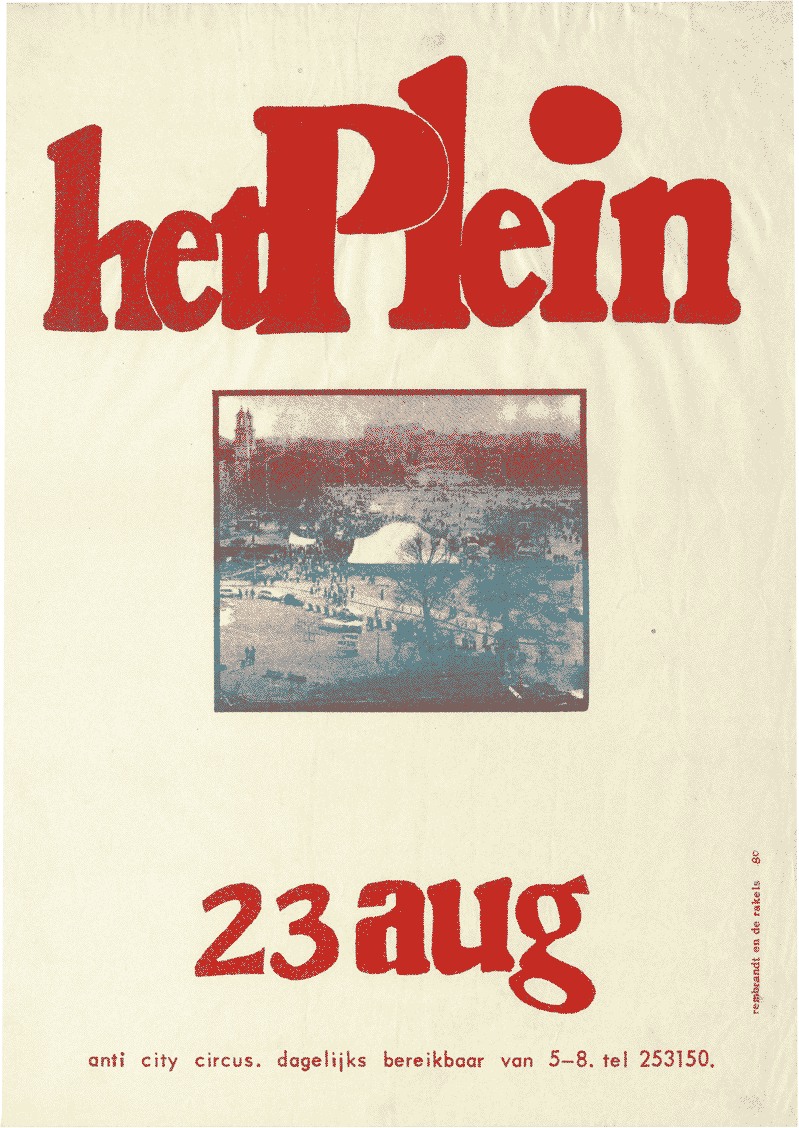
NIEUWE NIEUWSMARKT 1: HOUSING STRUGGLE pays tribute to the original Nieuwsmarkt bulletin. How did citizens of the past resist homelessness and speculation in Amsterdam? What resources does the new generation of Amsterdammers have? This first edition includes, among other things, a fold-out poster by Experimental Jetset (EJ) featuring 8 contact sheets by Rob Stolk, father of Marieke Stolk of EJ. Ex-Provo Rob Stolk was an active member of the Nieuwmarkt Action Group, and with Buro De Kraker (founded by him in 1969) responsible for the press, and the printing of the original Nieuwsmarkt bulletins in the 1970s. And it also includes the shortest squatting manual by Spookstad and housing crisis testimonies from Amsterdammers.
NNM can be seen as a toolkit to thoroughly remodel the neoliberalism that has sold our city. NNM is for all Amsterdammers who collectively want to create a more caring, diverse, fair, and sustainable city.!!! WE DEMAND AFFORDABLE HOUSING FOR EVERYONE !!!
and receive: NIEUWE NIEUWSMARKT ISSUE 1: HOUSING STRUGGLE (out now!) NIEUWE NIEUWSMARKT ISSUE 2: BODY POLITICS (out now!) NIEUWE NIEUWSMARKT ISSUE 3: RECLAIMING SOIL (spring 2026)
Price: €21,00 for 3 issues (excl. shipping)
and receive: NIEUWE NIEUWSMARKT ISSUE 2: BODY POLITICS (out now!) NIEUWE NIEUWSMARKT ISSUE 3: RECLAIMING SOIL (spring 2026)
Price: €14,00 for 2 issues (excl. shipping)
Our experiences of homelessness and housing hardship remain too often silenced. HOUSING S.O.S. is an open archive of testimonies that aims to create a record of today’s housing struggle in Amsterdam. The collected testimonies can be of use for activist media, educational and research purposes, or as legal evidence.
“After 3 years of living in Amsterdam I had already lived in 14 different rooms — almost the same number of exploitative slave-like jobs I'd worked. During these years I have faced all kinds of violence, abuse, theft and discrimination. Now, I live alone in an apartment, paying almost 80% of my salary, with a psychotic neighbor that harasses me. Her boyfriend chased me from my doorstep to a corner where he blocked me in, and hit me in broad daylight. The police refused to intervene because I didn't show the visible bruises on my body. This is how femicides happen and no one cares. "What terrifies me most in this passively aggressive society of silence—where drugs and the commercialization of the human body are protected—is the absolute indifference and constant smile of the citizens.” — Josefina
“My housing story is a familiar one: the banal, untenable conditions of housing in this city birthing a story of ludicrousness. I was lucky when I moved here; I was able to secure a year of Duwo housing in de Bijlmer via lottery. My mother and I stayed up late into the morning back home and applied right at the opening of the lottery and just happened to be selected. I, at the time, did not understand how much of a blessing this was—that I was able to move to this twisted, wonderful city already with a place to live. At the end of the contract, with nothing but €2000-per-month closets to rent, I ran out of time and became homeless. After being homeless for two months, I was able to move into a house in Geuzenveld that was being rented by a child protective service provider my eventual roommate (also homeless)’s mother knew, who rented out houses to kids who couldn’t stay at home. We were illegal there; the house was not meant for students, and our roommates (the kids) had various traumas, culminating in one of them attacking and trying to stab us. We hid away from home in a coffeeshop for the day while the protection people tried to find the kid and calm him down. Later that night, we secretly moved all our things to another apartment at Plein 40 so he wouldn’t know where to find us. There is so much more to say—1500 characters isn’t enough—it sounds too insane to be true, but all bizarrely is. Rent all in cash, landlord’s son living downstairs, dreary, cold tram 13.” — Major
“Today’s students pay an average of €948,- per month for a room in Amsterdam. €400,- more than the National average (Het Parool 16/02/2024).” — Samira
“3 years ago, my first apartment in Amsterdam was the only place I could find on Kamernet for €750 — the absolute maximum I could ever pay for rent in my financial situation then. The place was in a nice location and I thought I won the housing crisis lottery when, after an interview, I was accepted. Unfortunately, the house had black mold that the landlords didn’t care about. For me, it was hard to breathe and while I was searching for another apartment, I was coughing. I ended up moving away after 5 months of living there firstly cuz of black mold & cuz the landlords wanted to raise my price for the registration. The cough continued, and to this day, without any prior asthma or other respiratory condition, my lungs have never recovered, and I continue coughing. Btw, apparently the house was recently back on the market with the 9 m2 room now listed for €1350, without registration.” — Vita
“For the past seven years, I've moved through 10 different houses in Amsterdam, each one with a temporary contract and each one plagued by problems. Seven out of ten of these homes had serious mice infestations, three of them had mold visibly growing on the walls/ceilings and one of them had human poop coming up on my sink. None of the landlord companies would care. Yet, the story I want to share is worse. In one of these places, I dealt with a violent neighbor who regularly abused his girlfriend. The situation escalated when we reported it to the police: he began threatening both me and my girlfriend, pounding on our door, shouting, "I'm going to kill you if you call the police". With housing options in Amsterdam being nonexistent, we had no choice but to stay. Living there meant sleepless nights, waking to the sounds of his girlfriend screaming or things breaking, and fear that any action from us could trigger another threat. No other neighbors could team up with us because nobody knew each other, their was no sense of community (I guess that's one of the perks of temporary housing). The COVID lockdown only worsened the nightmare, making it impossible to simply run away to a safer place. These times were terrifying.” — Roberto
“It shall be the concern OBLIGATION of the authorities to provide sufficient living accommodation” Proposal for modification of Article 22 from the Constitution of the Kingdom of The Netherlands.” — Marco
“We have a 10-week old baby and we must leave our temporary flat in six months with nothing else on the horizon. To call the situation stressful is an understatement. I’m in!” — Magnus
“I lived in a studio for almost a year until my landlord sent me an email via his daughter (whom I had never spoken to) because he was too chicken to call me, telling me that I had to move out. He gave me a month’s time to find something else. Every landlord gives a one year contract first, to see if the renter is trustworthy. And I was, but the moment the government increased taxes for homeowners, my landlord decided to sell the house because my rent wasn’t financially not sufficient for him. Unfortunately my parents can not take me in, so I’m currently living at my grandma’s one-person senior home in a small closet she turned into a room. One person’s bed fits, that’s all. I’ve been living there the past 8 months. I’m looking for something else but my €2250 salary as a starter (i’m 25 yo) is not enough to find a new home. Even the prices for rooms are above €750 nowadays. And you’ll get 7m2. I don’t know what to do, and I’ve never been more depressed than I am now. I live far away from my friends, my grandmother smokes in the house (i don’t smoke) and keeps the door closed at all times since it’s cold outside.” — Bananabila
“In my first couple of years in Amsterdam, after arriving as a migrant kid with a single parent, we lived in a series of sketchy sublets because we couldn't find anything stable. When I turned 18, we couldn't afford the €50 to pay for the Woningnet registration, so I ended up only getting registered at 23. This meant that I missed out on the chance to qualify for under-28 youth social housing despite having grown up in Amsterdam most of my life. Today, I have little prospect to qualify for affordable housing anytime in the next 15 years. This is a typical case of how social services end up not going to some of those who most need them due to the steps necessary to access them. I've squatted, I've house-sat, and I've illegally sublet a rent-controlled apartment. Different strategies to get by without paying exorbitant free market rent but all precarious and unstable. When will I feel safe in my hometown? And why are my only available housing options always a compromise? I'm tired of having to be grateful for scraps.” — Ginx
“In 2023 the maximum rent increase was 4.1% (3.1% wage development + 1%). In 2024 the maximum rent increase is 5.5% (4.5% inflation + 1%). A few days ago, workers came for a house appraisal necessary for my landlord to receive a subsidy to make the house more energy efficient. This will certainly increase the value of his property and my rent will again rise. Green capitalism and housing struggle are class struggle!” — Margaret
“I live in a famous student housing complex in Amsterdam Nieuw-West. The place is literally falling apart, with the elevators breaking down on a monthly basis, making movement difficult in the building (I live on the 8th floor), leaks coming in from the windows in my room, and kitchens that don’t even have windows. I pay more than €500 per month for this kind of building outside of the ring, which sounds crazy to me, and yet this probably makes me the person paying the least in my whole group of friends. I recently graduated, and one of the main things I am thinking about is how scared I am about having to find a new house.” — Giovanni
“I arrived in Amsterdam in January for a new job. My employer provided me with an apartment for €1000 in De Pijp. Despite its emptiness, lacking a kitchen, bathroom floor, and washing machine, the price was okay, and I was content with it. Due to professional reasons, I changed jobs and consequently had to move out of the apartment on my last day of work. After that, I’ve been residing for a month in a 9m2 room in a shared apartment, living with my landlord, situated at Rembrandtpark, for €950. I’m currently experiencing quite some pressure from them. I suspect them of monitoring whether I turn off the heating and lights in my room each time I leave. Working as a waiter, my landlords prohibit the use of the washing machine at all times, except from 7pm to 9pm. Thus, my only option to comply with their request is to use the delayed start function. Apparently, this alternative doesn’t meet their approval either, as they consistently switch off the machine upon noticing the LCD panel illuminated. Nonetheless, their recent comment spurred me to draft this testimony; while in the living room, the landlord forbade me from conducting further laundry in the future. He stipulated that I’m only allowed five loads per month, as exceeding this threshold incurs excessive costs for him. I launder very minimally due to the lack of time outside of work commitments, restricted to one load for white shirts and another for coloured pants and household linens per week.” — Ivan
“Ik woonde jarenlang in de Conradstraat. Mijn gehuurde 30m2 studio op de tweede verdieping was in slechte staat, zonder verwarming, minimale keukenfaciliteiten en een verwaarloosde badkamer. Mijn huisbaas had het pand waarschijnlijk voor weinig geld verworven nadat de krakers er uitgezet waren. Ondanks mijn maandelijkse huur van €1250,- en de slechte omstandigheden, besloot ik niet de huurcommissie te benaderen, maar woonde uiteindelijk toch vier jaar in het pand. Toen ik vertrok, droeg ik het huis over aan een vriendin die wél naar de huurcommissie stapte. Na een juridische strijd betaalde ze met terugwerkende kracht slechts €350,- per maand vanwege de slechte staat van het huis. Ondanks de vele pogingen van de huisbaas om haar eruit te krijgen, woont ze er nog steeds. Dus vergeet niet je nieuwe huurcontract binnen 6 maanden te controleren bij de huurcommissie!” — Thijs
“During my first months in The Netherlands, in search of a community, I volunteered at the Temporary Art Centre (TAC) in Eindhoven. This space seemed a lot less vibrant than I remembered from a few years ago. As implied by its name, the municipality-owned building had been designated as a temporary art space in the city centre. It endured for seventeen years, serving as a home for a hundred artists concurrently. At the time I was volunteering, the space had been sold to a property investor and was eventually vacated to make way for a high-rise residential building. The city lost one of its few non-commercial social spaces, and I lost the first community I found in the city.” — Nur
Werker began collecting documents and visual materials in 2009 with the mission of preserving and sharing the legacy of self-organized documentary practices. These materials originate from second-hand bookstores and flea markets, donations from friends and comrades, or are produced during the collective's artistic and activist collaborations. Over time, the initiative has grown into an archive of more than 3,000 historical and contemporary documents, which continues to expand. The archive is physically located in Amsterdam's Nieuwmarkt neighborhood and is regularly activated through conversations, workshops, performances, installations, and publications. For visits or inquiries, please email: info [at] werkercollective.net.
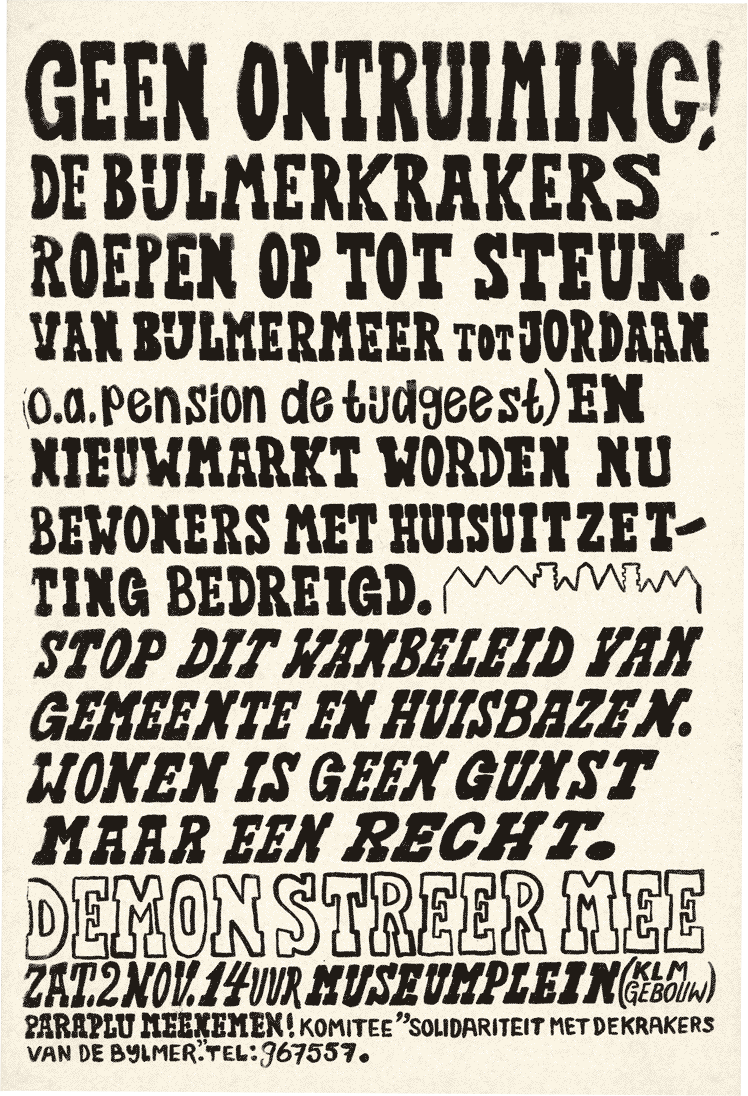
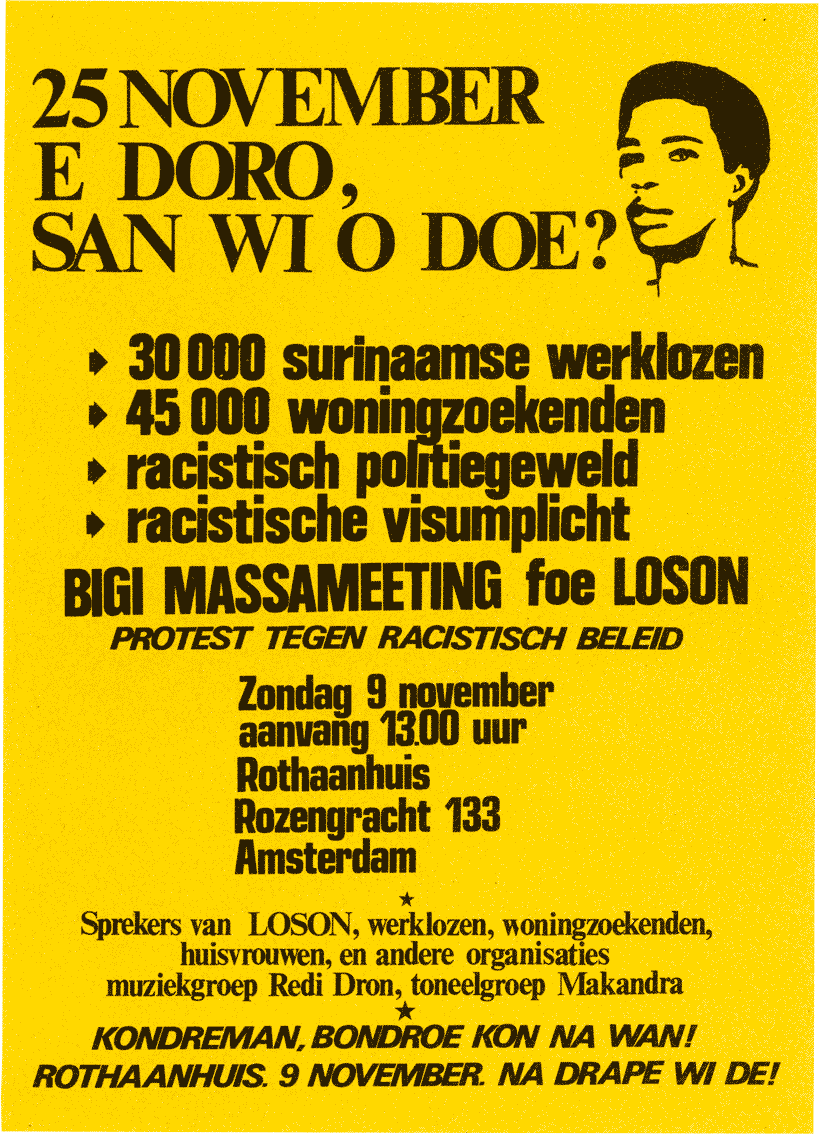
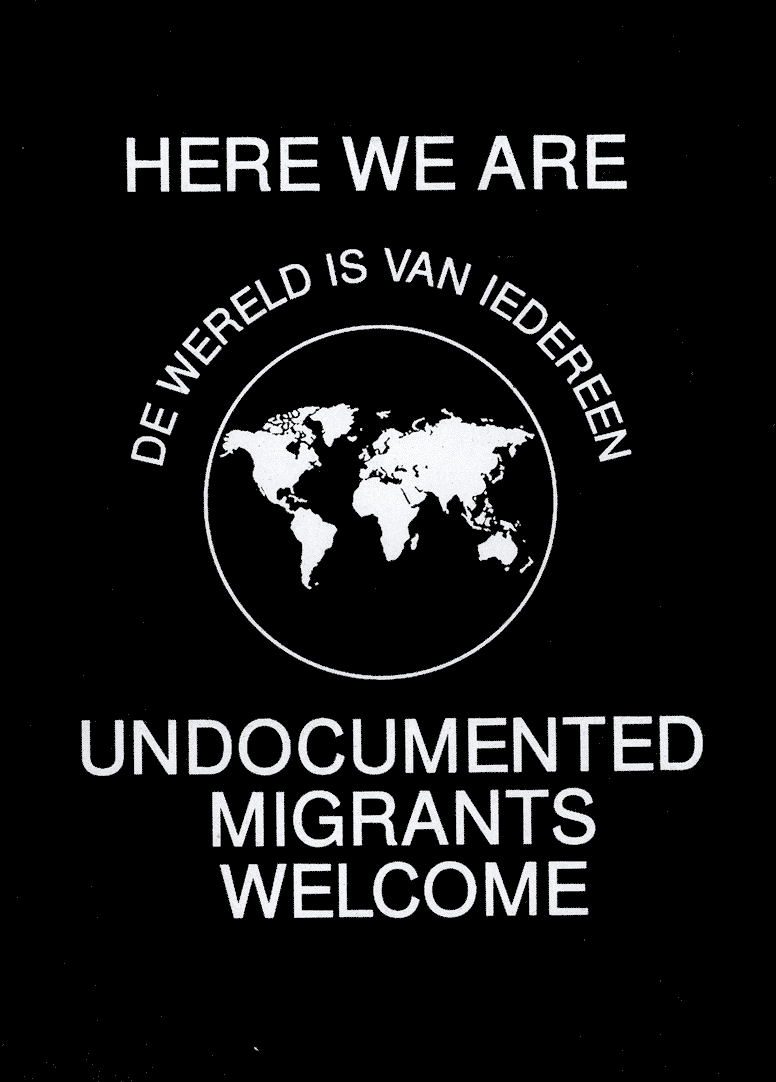
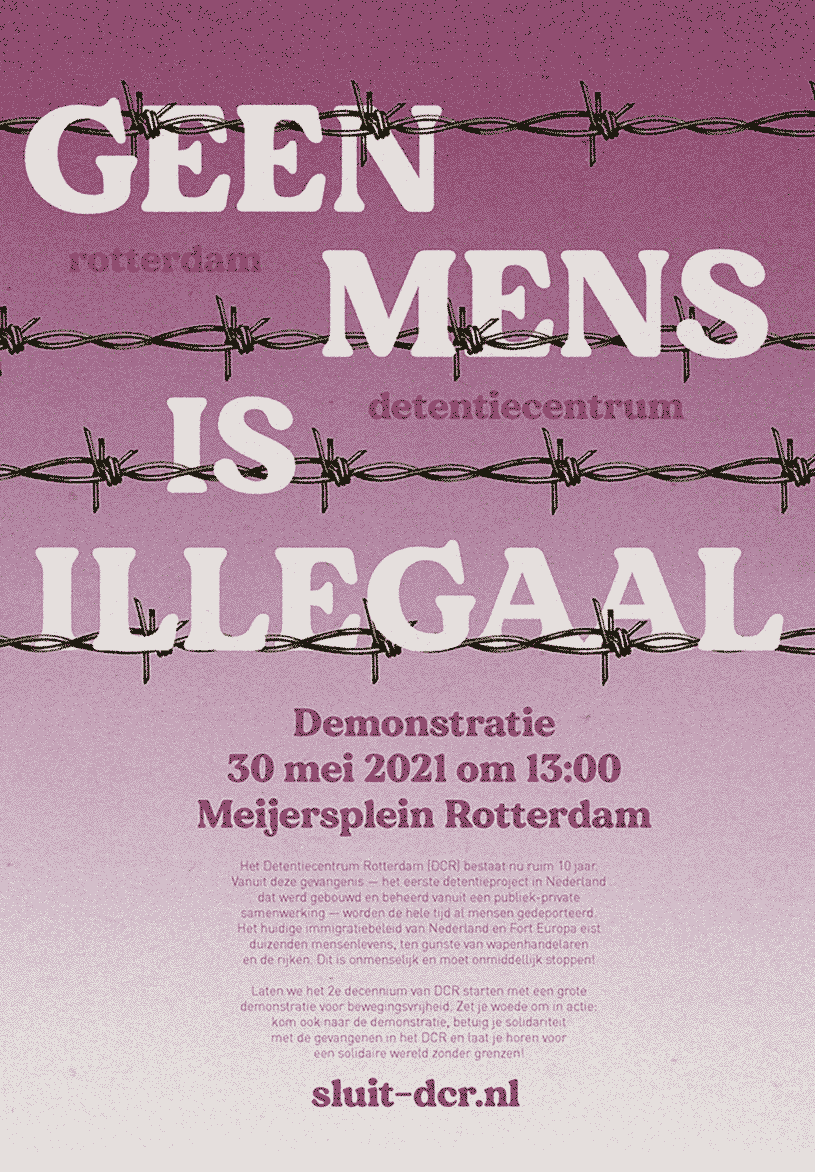
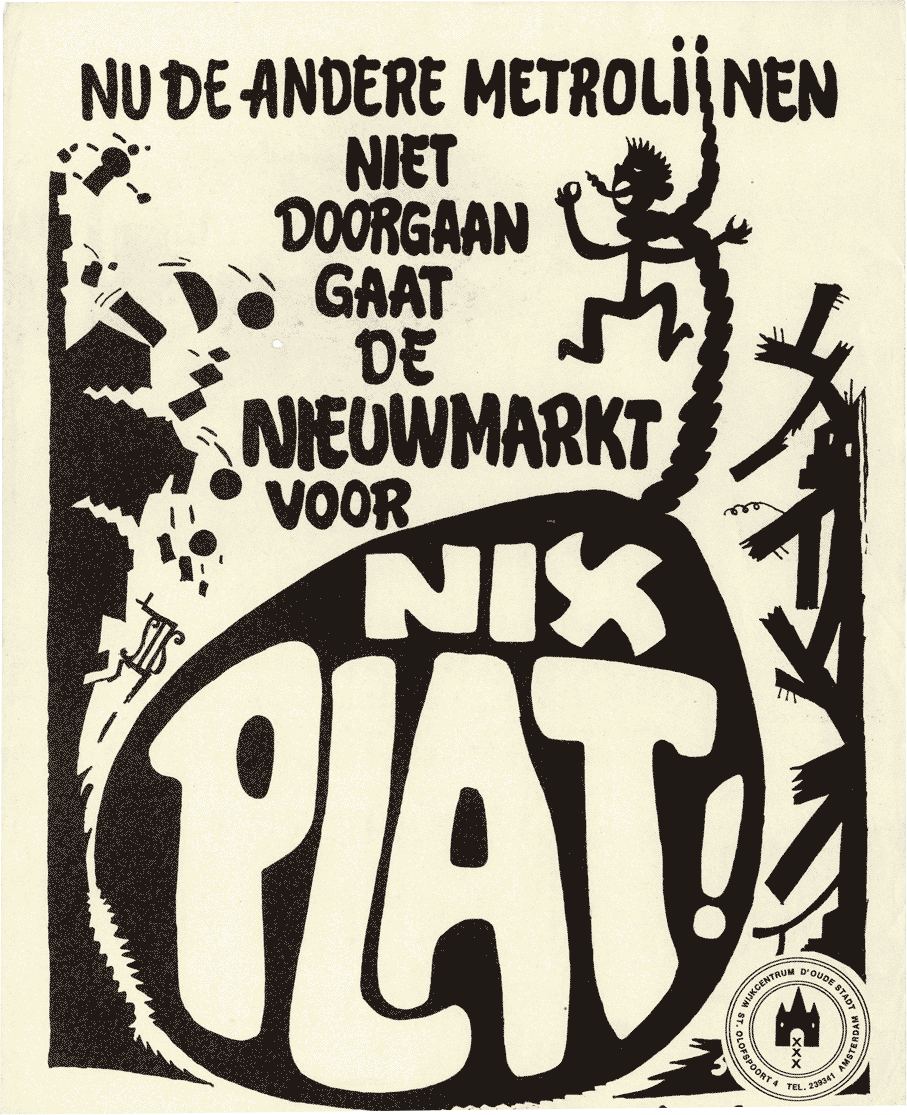
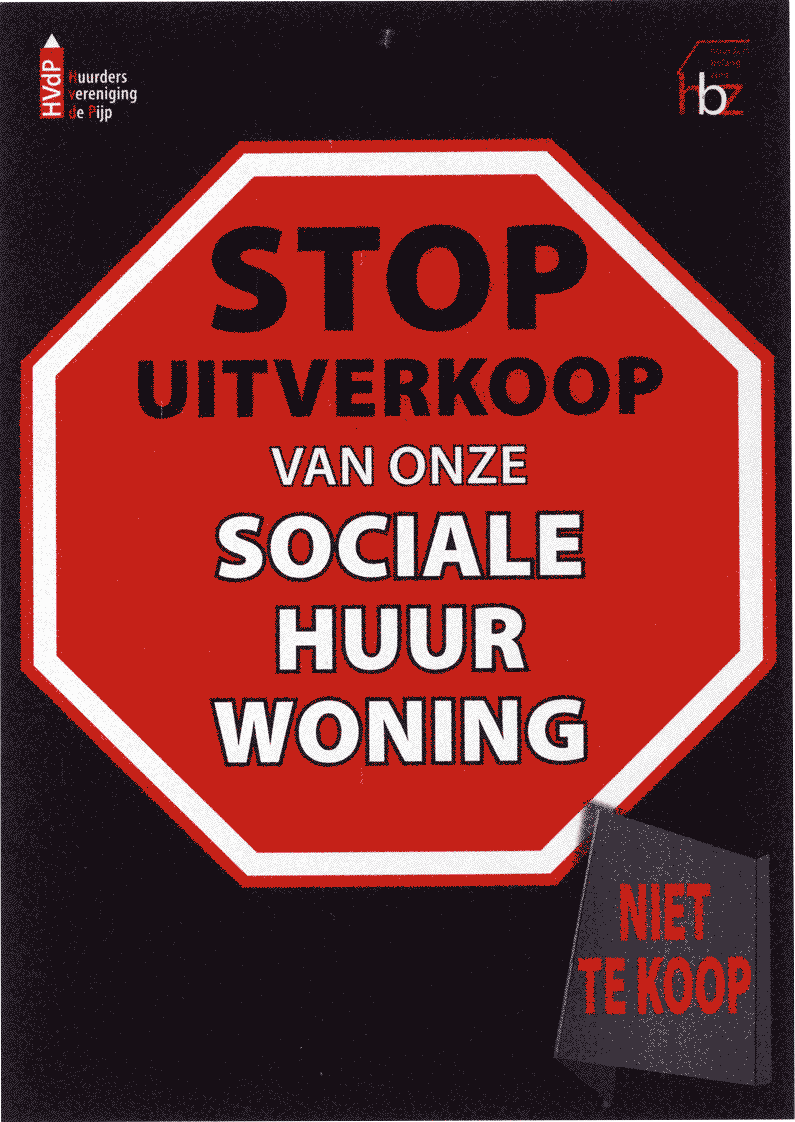
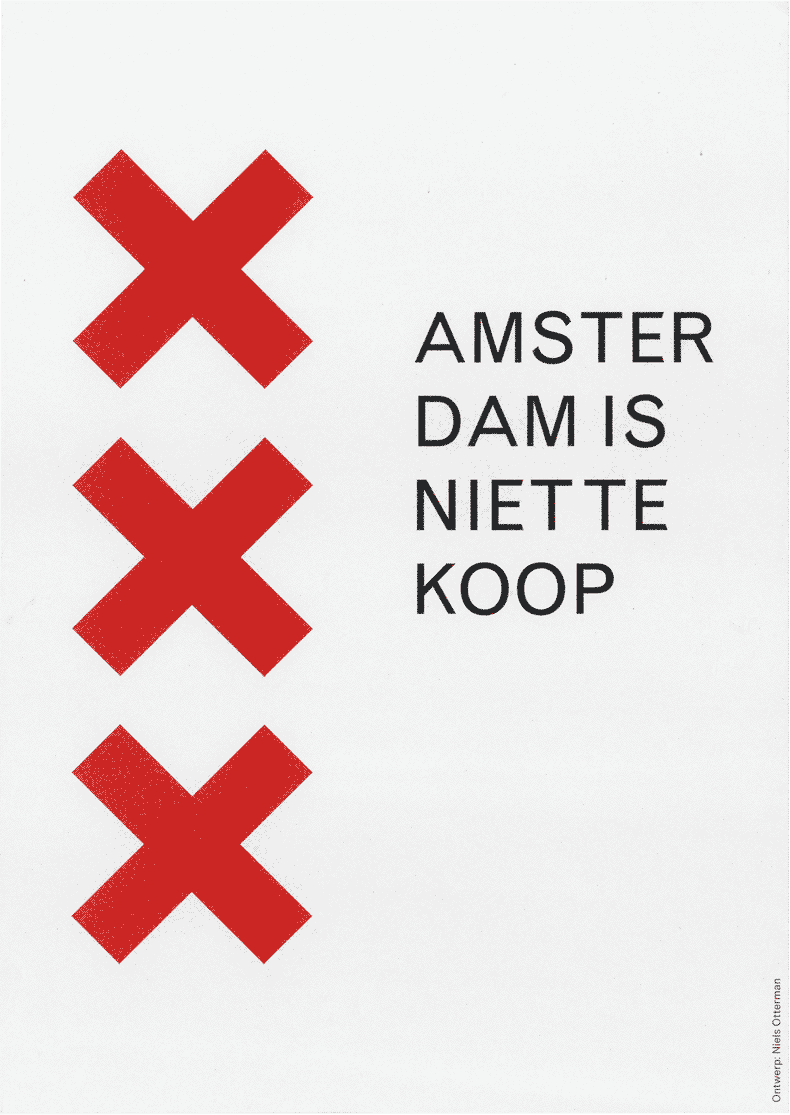
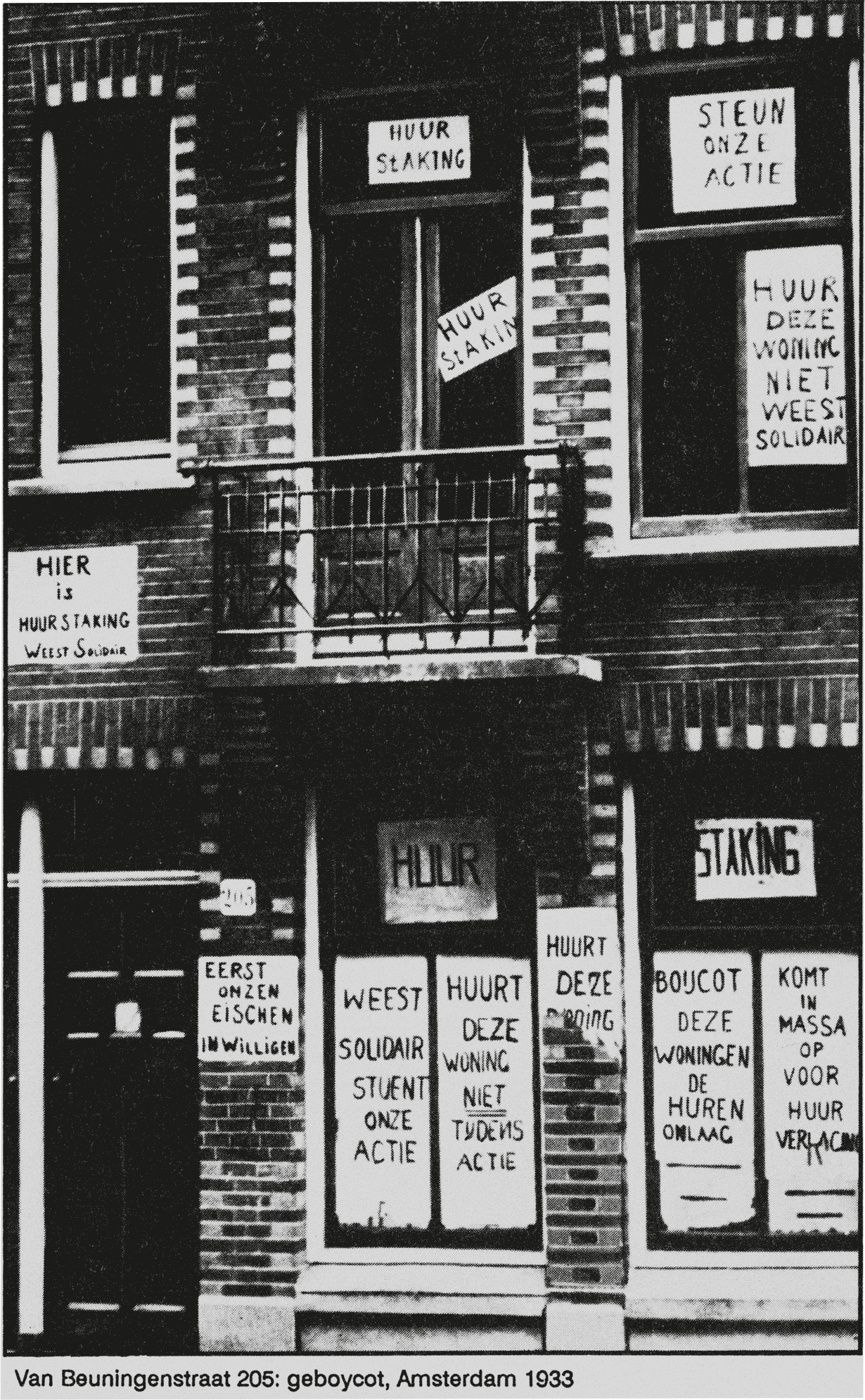
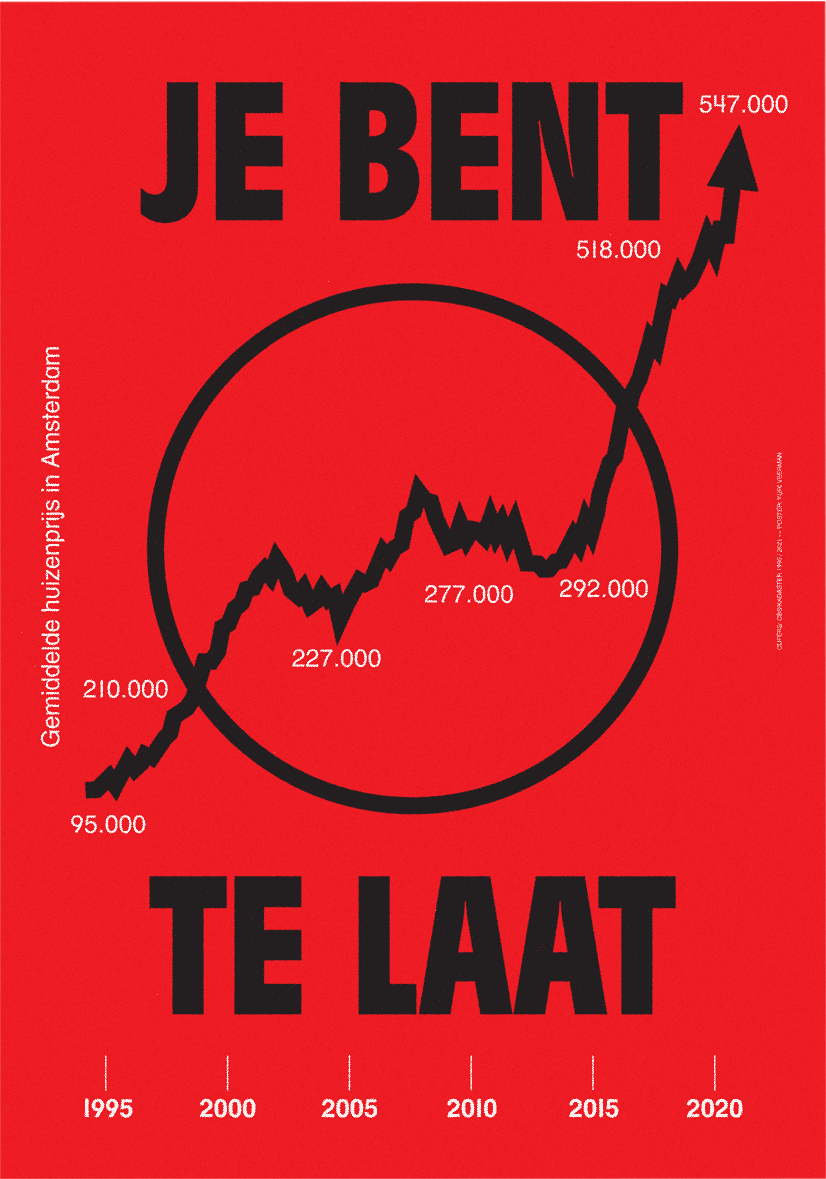
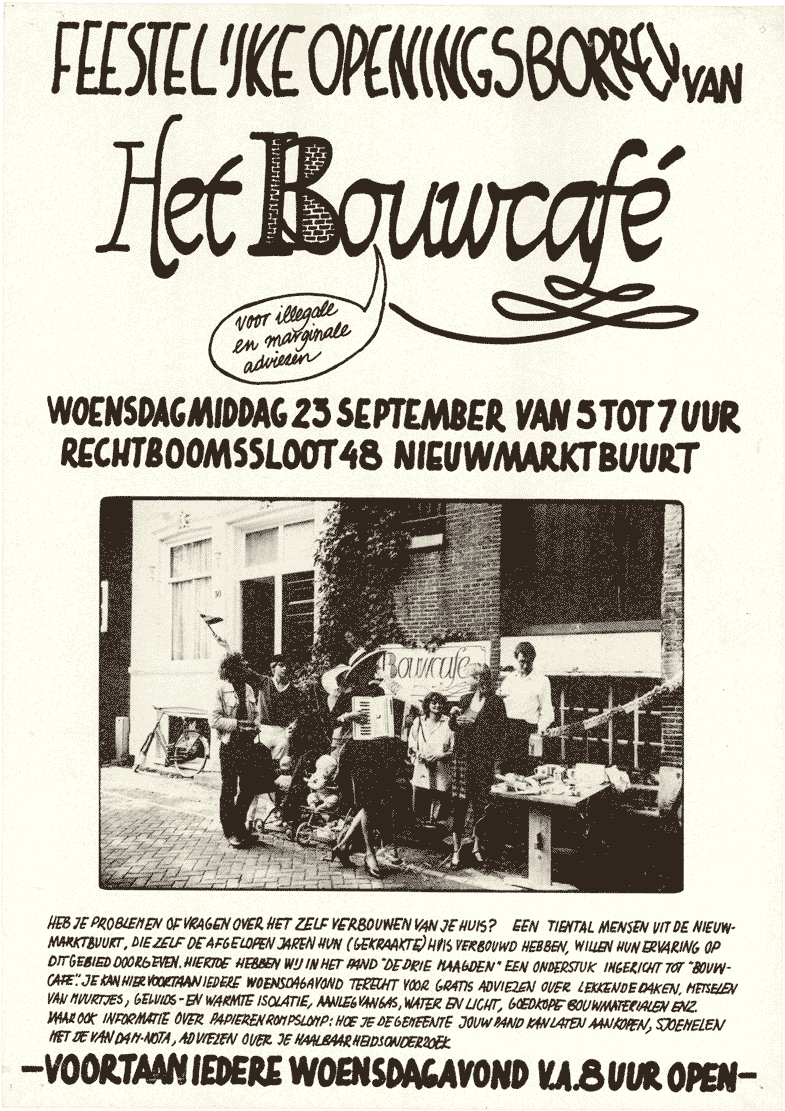
( A selection from AMATOR ARCHIVES : EVERYBODY NEEDS A HOME !!! )