With contributions by: Razia Barsatie, Milena Bonilla, Nino Cadeau & Lindsharry (Precious Liquid), Jules Davis-Dufayard & Tony Kritzer, Sasha Dupont, Famine Food in WW2 (Tom Vorstenbosch, Ingrid de Zwarte, Leni Duistermaat and Tinde van Andel), Four Siblings, masharu & Jennifer Plein (Museum of Edible Earth), Iris Poels (Voedselpark Amsterdam), Reclaim the Seeds, Barnaby Savage, Mark Schalken (Koeien Monument), Rens Spanjaard, Spookstad (Student Intifada), Wouter Stroet & Hanane Abaydi (Verdedig Noord), Mirelle van Tulder (Roots to Fruits), Elke Uitentuis (GROND) & Charline Mougin (Bajestuin), Ester Venema (Dreaming Problems), and Marieke Zwart.
Müge Yilmaz and WERKER Collective
WERKER Collective (Marc Roig Blesa, Rogier Delfos and Vincent Becher)
An initiative by Werker Collective.
28 pages, 42×29.7 cm, single color offset, with a poster by Spookstad. Languages: English, Dutch, Spanish.
Dear Friends of Nature,
While finishing this issue of Nieuwe Nieuwsmarkt on Reclaiming Soil, Amsterdam activated a code red for extreme heat for the first time in its history. This heatwave, sweeping our city and Europe, is the consequence of decades of political neglect: a failure to implement environmental policy that protects all living beings and ecosystems, rather than a green capitalist agenda serving the interests of a few. In 2023, at the largest climate justice march Amsterdam has ever seen, Greta Thunberg called for international solidarity, linking war, occupation, and climate justice. A man took the microphone from her hand and scolded: “I came here for a climate demonstration, not a political view.” This moment reveals how climate activism has developed — a movement that looks inward while the world is burning. When even environmentalists report exhaustion and disengagement, the need for an intersectional understanding of climate justice is urgent.
Who gets to cultivate, walk, grow, and live on the soil that Amsterdam occupies? Who gets pushed out, and what damage continues to be done to the ecosystems our city is built on? Soil holds the memory of what was here before the pavement, and the question of what is allowed to grow — and by whom. We exchange seeds, build cooperatives, turn concrete into gardens, eat earth, make love in nature, demand restitution for our colonised ancestors, and oppose today's wars that fuel neocolonial extractivism. We won't wait any longer for our politicians to take the protection of the environment seriously. It is time to act together!
and receive 3 issues:
NIEUWE NIEUWSMARKT 1: HOUSING STRUGGLE (spring 2024)
NIEUWE NIEUWSMARKT 2: BODY POLITICS (spring 2025)
NIEUWE NIEUWSMARKT 3: RECLAIMING SOIL (summer 2026)
Price: €21,00 (excl. shipping)
Pollution, pesticides, forever chemicals (PFAS)… How do global warming and ecological crises affect you and your city? This section is an open call for testimonies, references, complaints, wishes, invocations, calls for action, and more. Together they aim to build a toolbox for understanding people's lived ecological experiences.
“The municipality limits us to a maximum of two pots with plants you can have at your front door. I understand that the street has to be broad enough for people with diverse mobility to transit but, is limiting the amount of plants the way to go? Plants and flowers make the city more hospitable and they are also a great way of socialising. Since I have my little garden in front of my door I talk to the neighbours who give me tips on how to take care of the plants, ask for advice or just say: ‘Zo mooi!’” — Margarita
“Vrijdag 38 graden. Ik had dit weekend willen studeren maar dat is niet gelukt: mijn kamer was niet te doen. Geen airco, geen ventilator, een raam dat maar half open kan aan één kant van de kamer. Ik ben naar de bibliotheek gegaan en die was vol, want iedereen had hetzelfde idee. Ik woon in een pand uit 1960 in Nieuw-West in een straat zonder echte schaduwplekken waar je kunt verblijven. Armere wijken zijn warmere wijken — dat weet ik uit mijn studie en las ik deze week ook in Het Parool. Maar het is iets anders, om het zelf uit te moeten zitten. Ze hebben koelteplekken geopend, dat is goed. Maar een koelteplek lost niet op dat ik ‘s nachts niet kan slapen en overdag niet kan studeren. Hitte is niet alleen een natuurramp. Het is een ontwerpkeuze.” — Denise
“Tuve la suerte de conseguir un alquiler social en Amsterdam, pero aun así no puedo pagar la factura del gas. Todo el invierno con la calefacción apagada, mi hijo haciendo los deberes con el abrigo puesto. Soy madre soltera y aun con dos trabajos no llego a fin de mes. Las paredes y ventanas no están bien aisladas. El “energy coach” me recomendó instalar papel de aluminio detrás de los radiadores... La causa de mi problema es estructural, el remedio es un rollo de papel de aluminio.” — Luz Marina
“Amsterdam is such a green city. But this green is built artificially, by forcing land into existence. Walking through the streets, I keep drawing the connection between how the Dutch domestically engineered large parts of their own country from the 17th century onwards, and how that same impulse turned into a powerful colonial tool during the Dutch East and West India Companies. The claiming and exploitation of land, resources, and people all over the world led to the grand disney-canal houses of this city. They were constructed using the immense private fortunes amassed through colonial and slave trading economies. Often, when I wander around in this City of green, when I don't have to work in order to pay my rent to the notorious huisjesmelkers, I think none of this should have been here in the first place.” — Anonymous
“I've been going to the Nieuwe Meer for years. What's happening this spring is repuslive; people have been targeted, spat on, beaten. I heard on AT5 there have been at least 9 reported incidents this spring. This has to stop! But more police isn't the answer. More surveillance means less privacy, which for many is still a necessity. No camera fixes that. The rise of homophobia requires harder questions, about where that contempt comes from, and who's responsible for addressing it.” — Peter
“The door to door trash collection in the Nieuwmarkt simply doesn't work. We are asked to bring our trashbags outside, between 6:00 and 8:00 A.M. and every time the street is a total mess. Birds open the bags, can collectors empty the trash bags on the street looking for spare change. This dysfunctioning system creates a genuine health issue with rats walking around… and the city cleaners have so much extra work to do! Gemeente Amsterdam, it can't be that hard! Do something now!” — Frederik
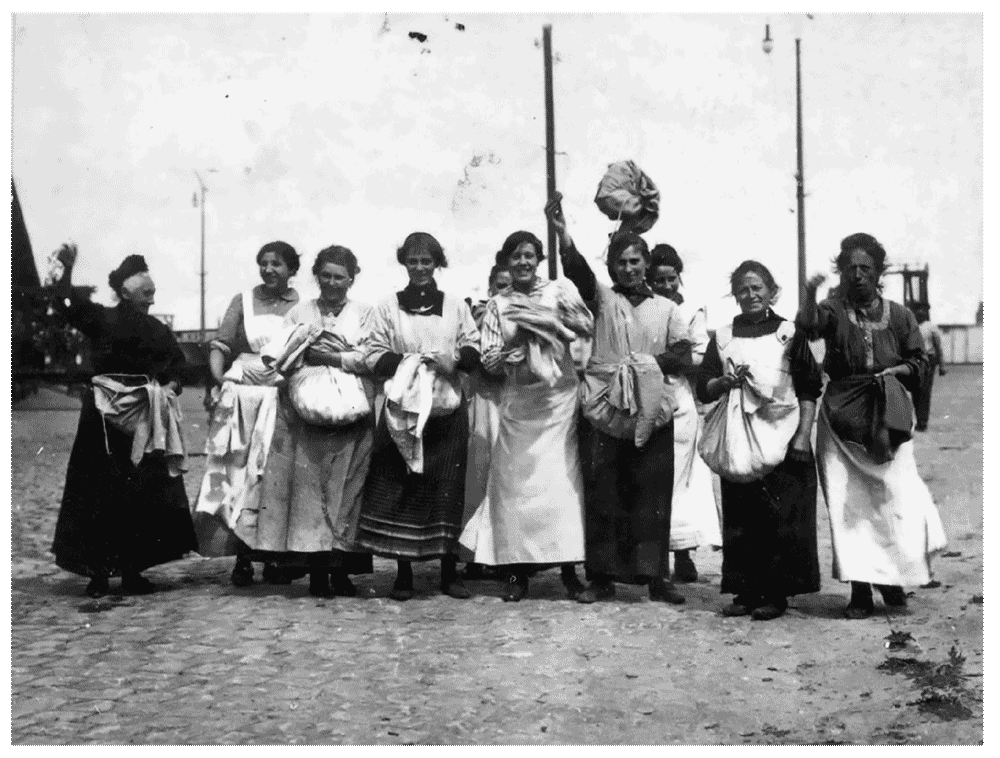
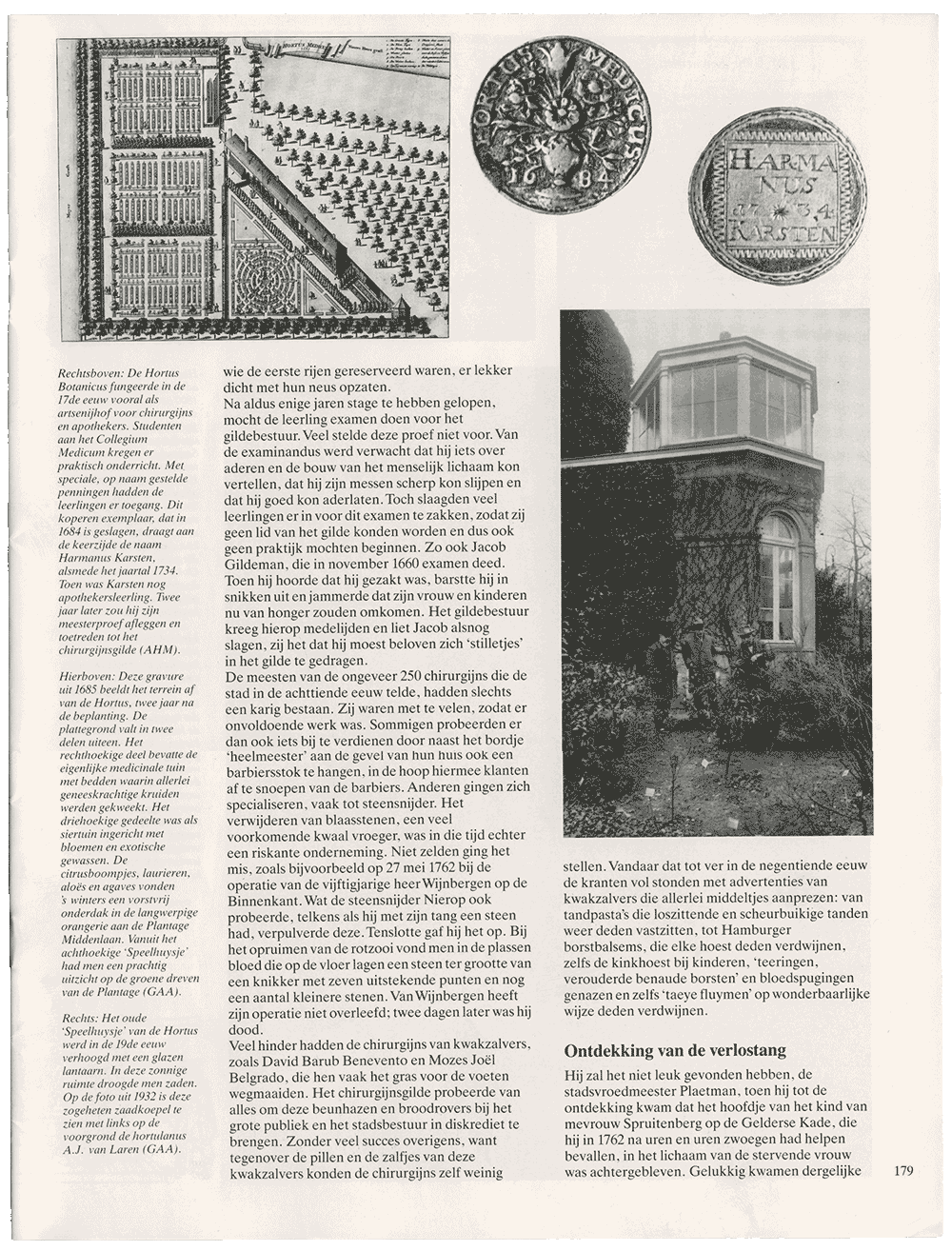
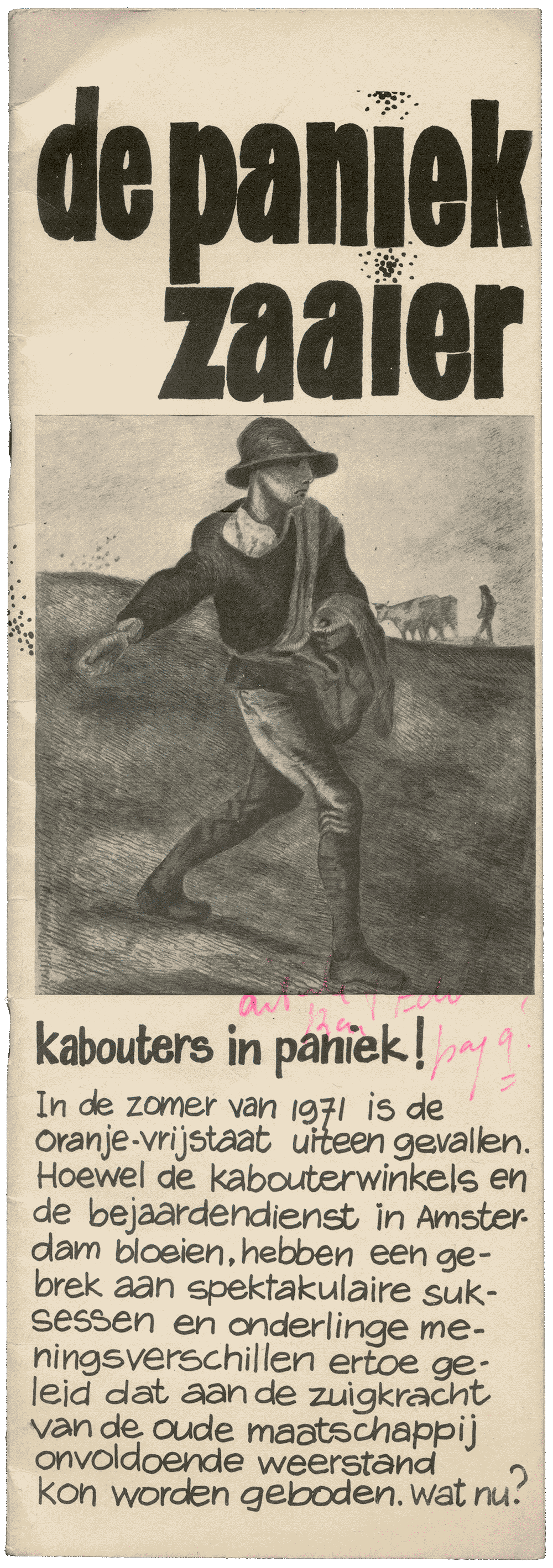
Werker began collecting documents and visual materials in 2009 with the mission of preserving and sharing the legacy of self-organized documentary practices. These materials originate from second-hand bookstores and flea markets, donations from friends and comrades, or are produced during the collective's artistic and activist collaborations. Over time, the initiative has grown into an archive of more than 3,000 historical and contemporary documents, which continues to expand. The archive is physically located in Amsterdam's Nieuwmarkt neighborhood and is regularly activated through conversations, workshops, performances, installations, and publications. For visits or inquiries, please email: info [at] werkercollective.net.
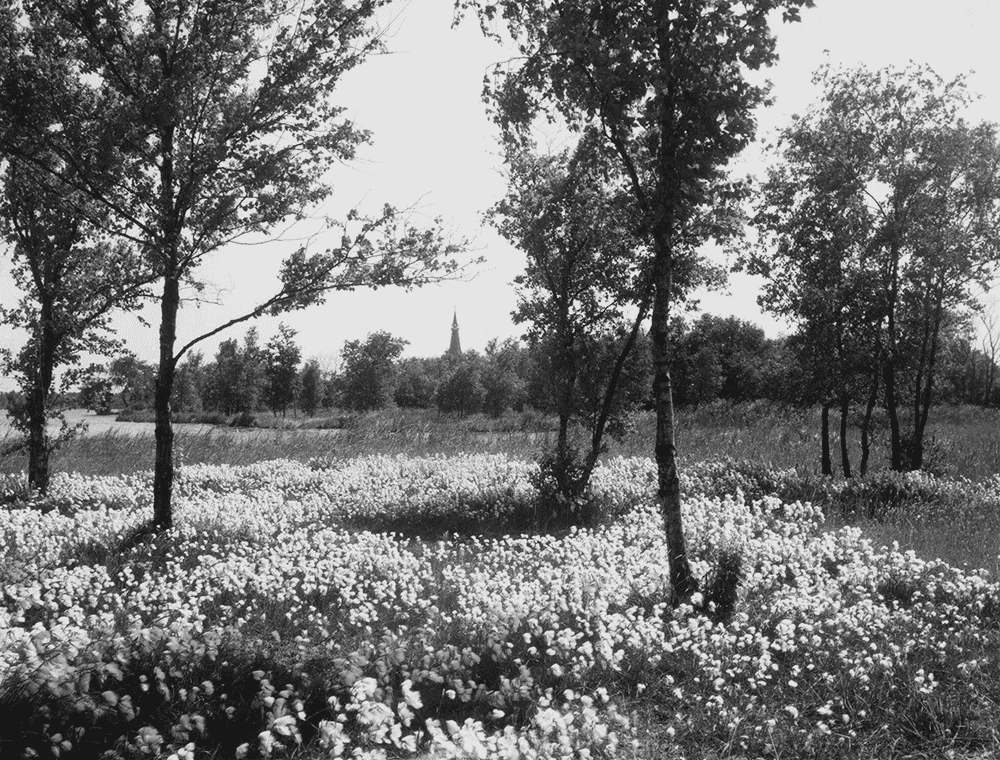
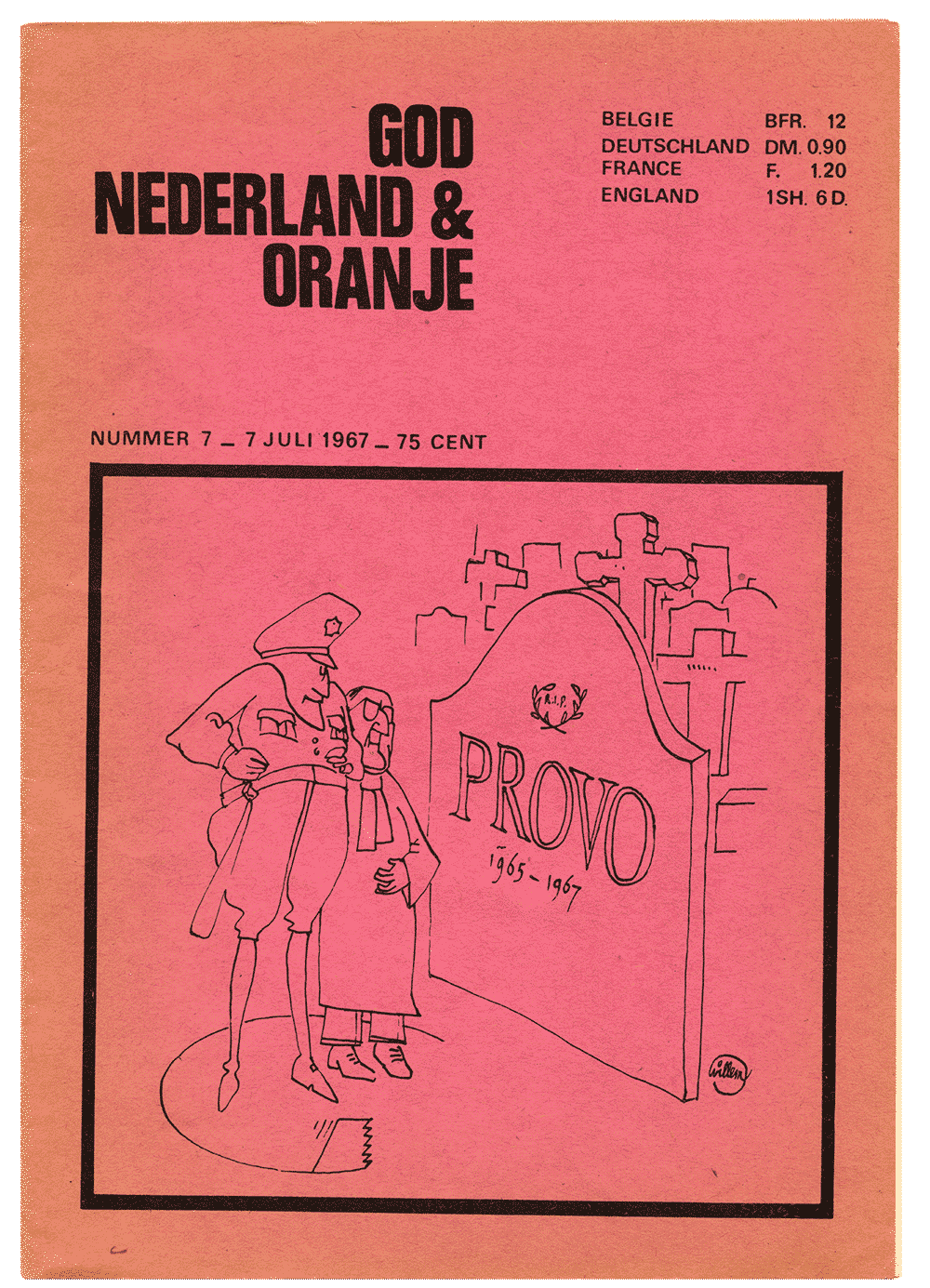
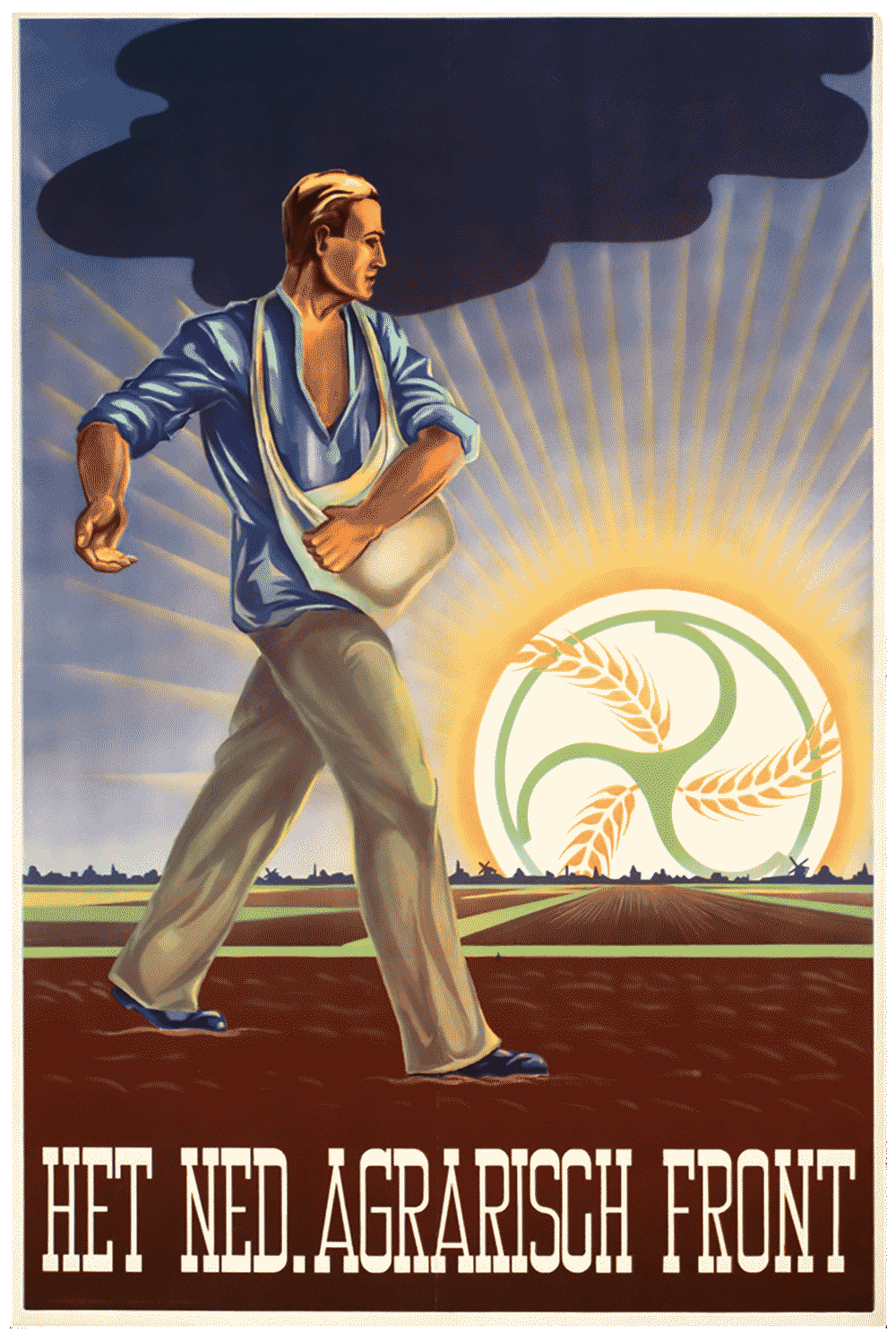
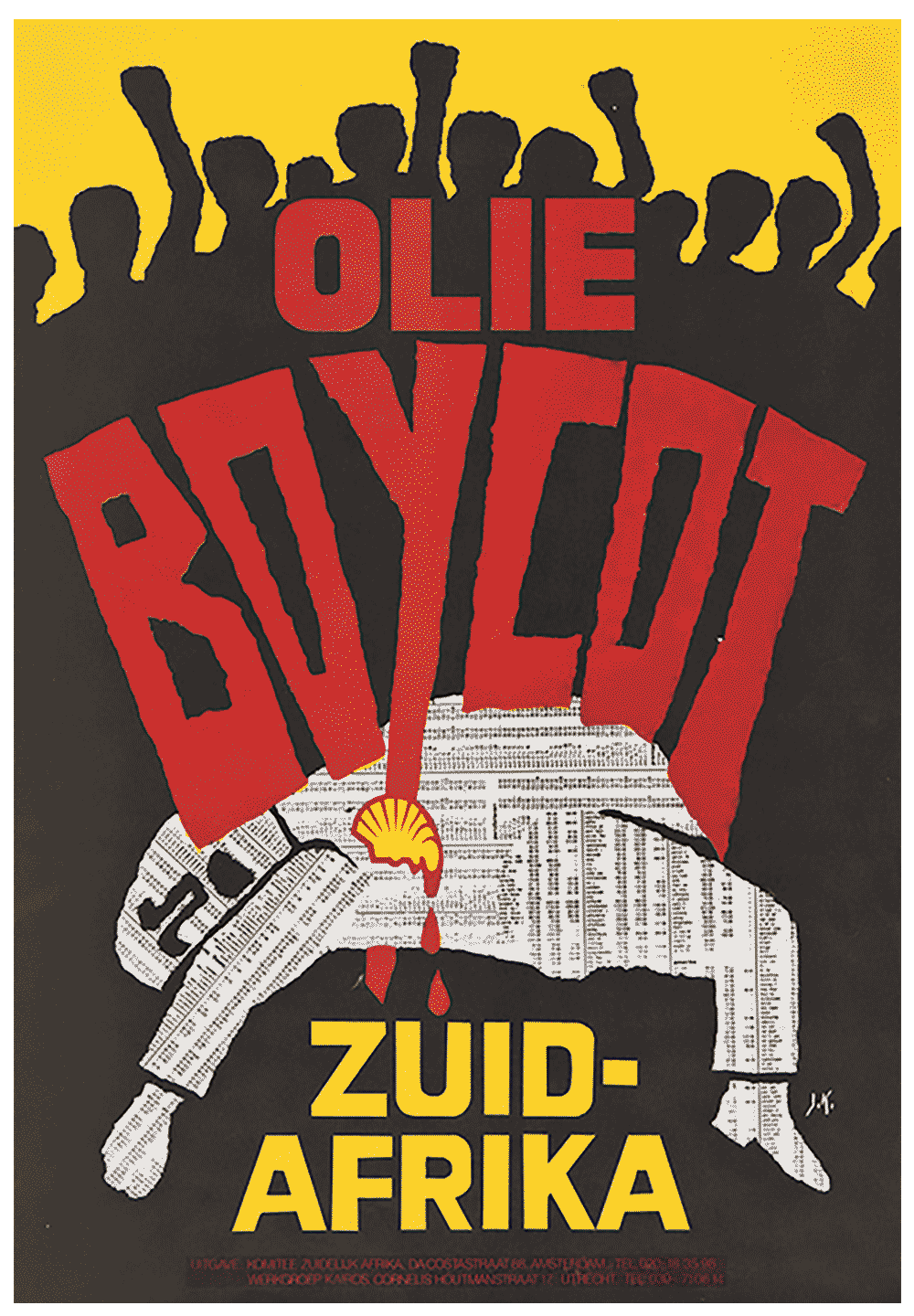
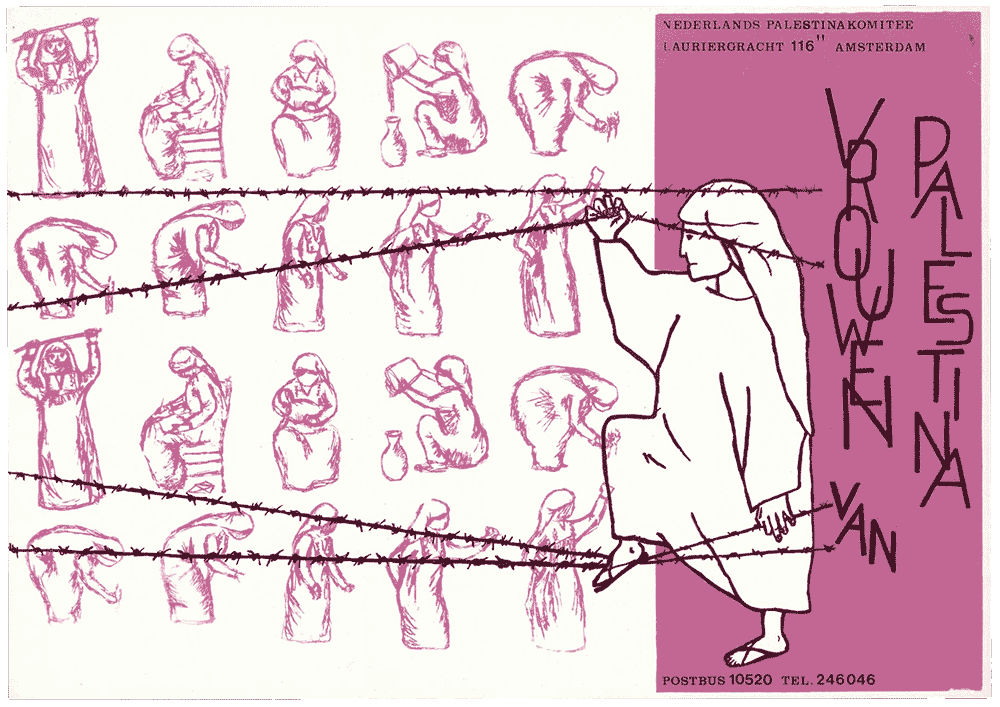
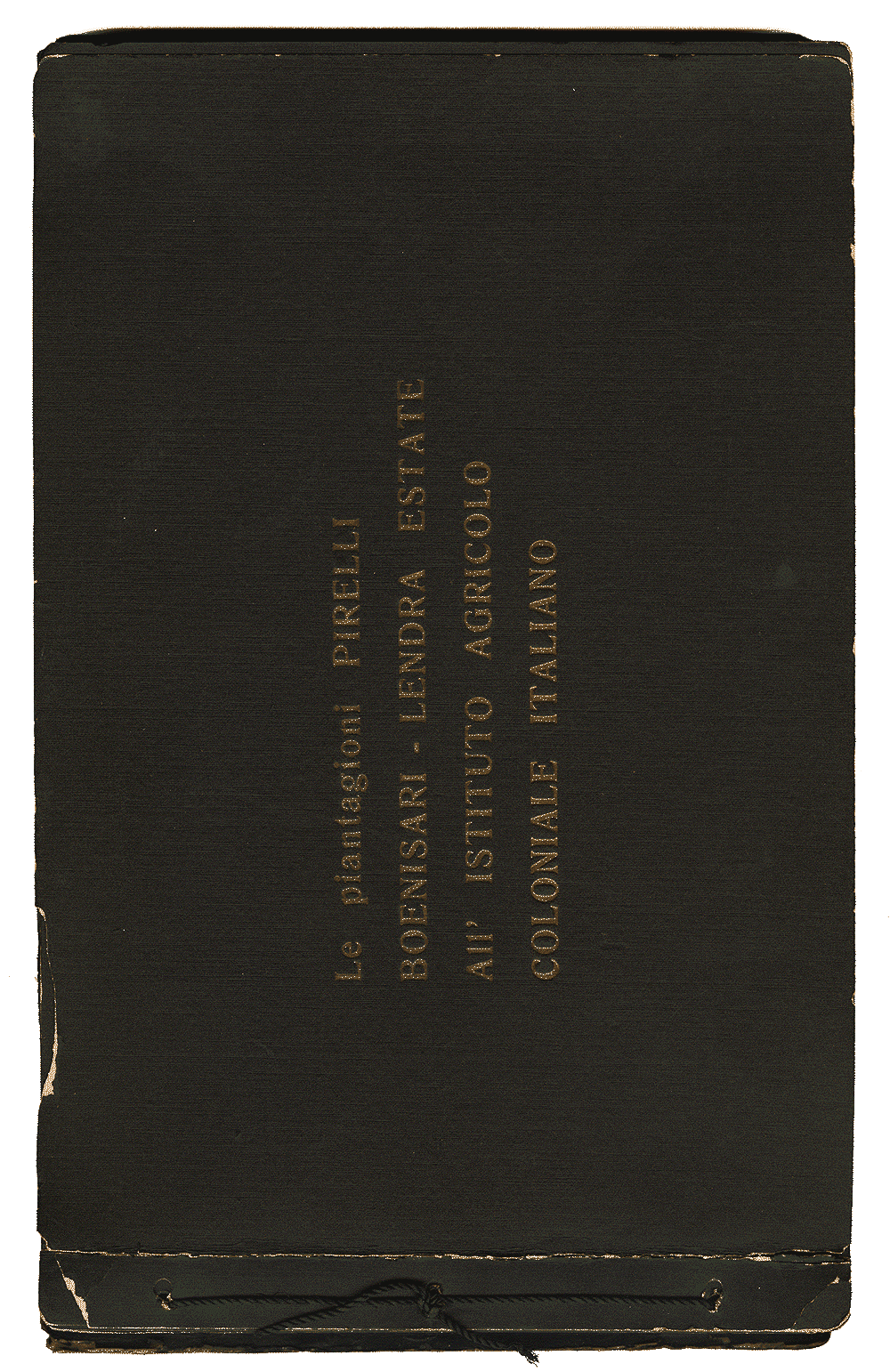
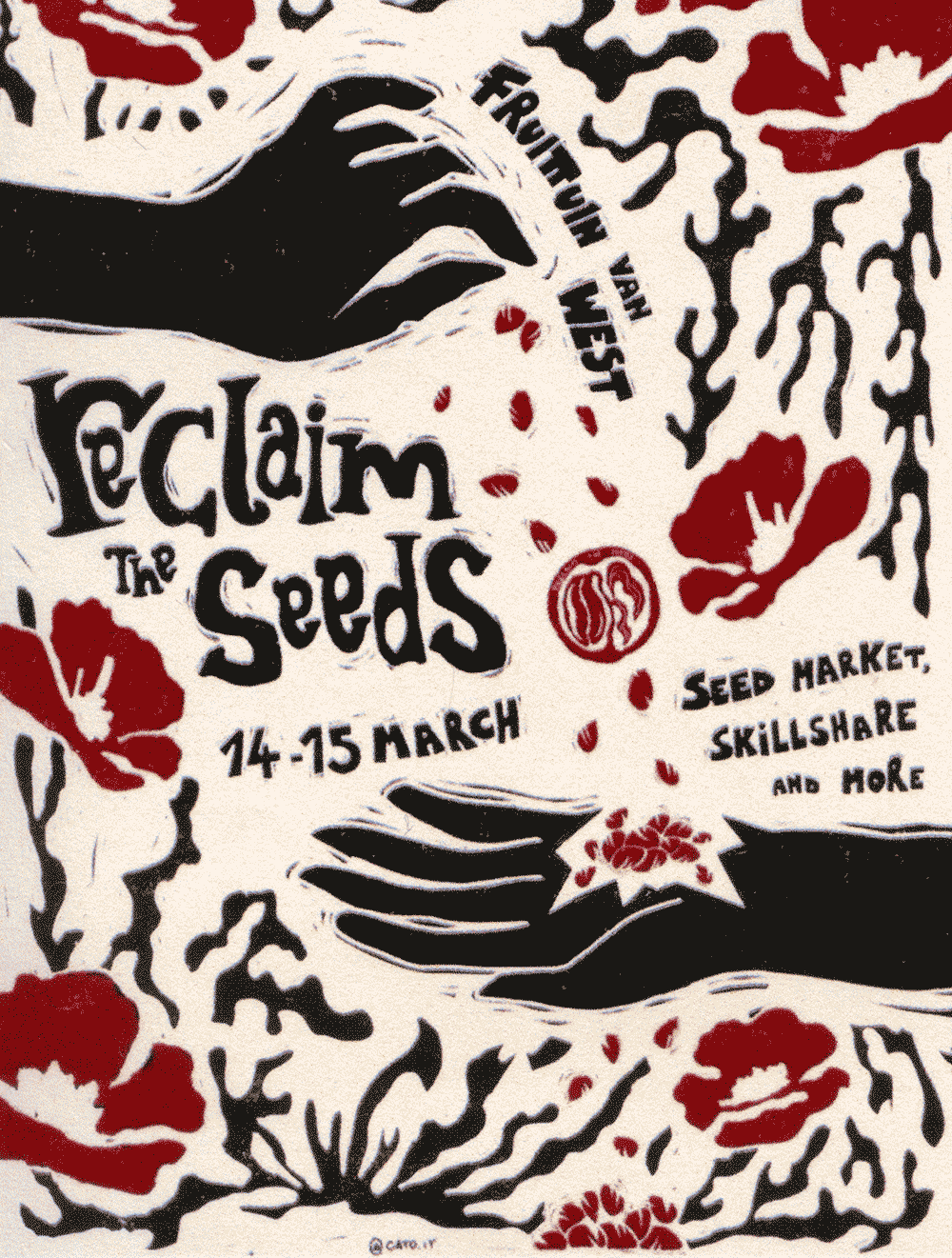
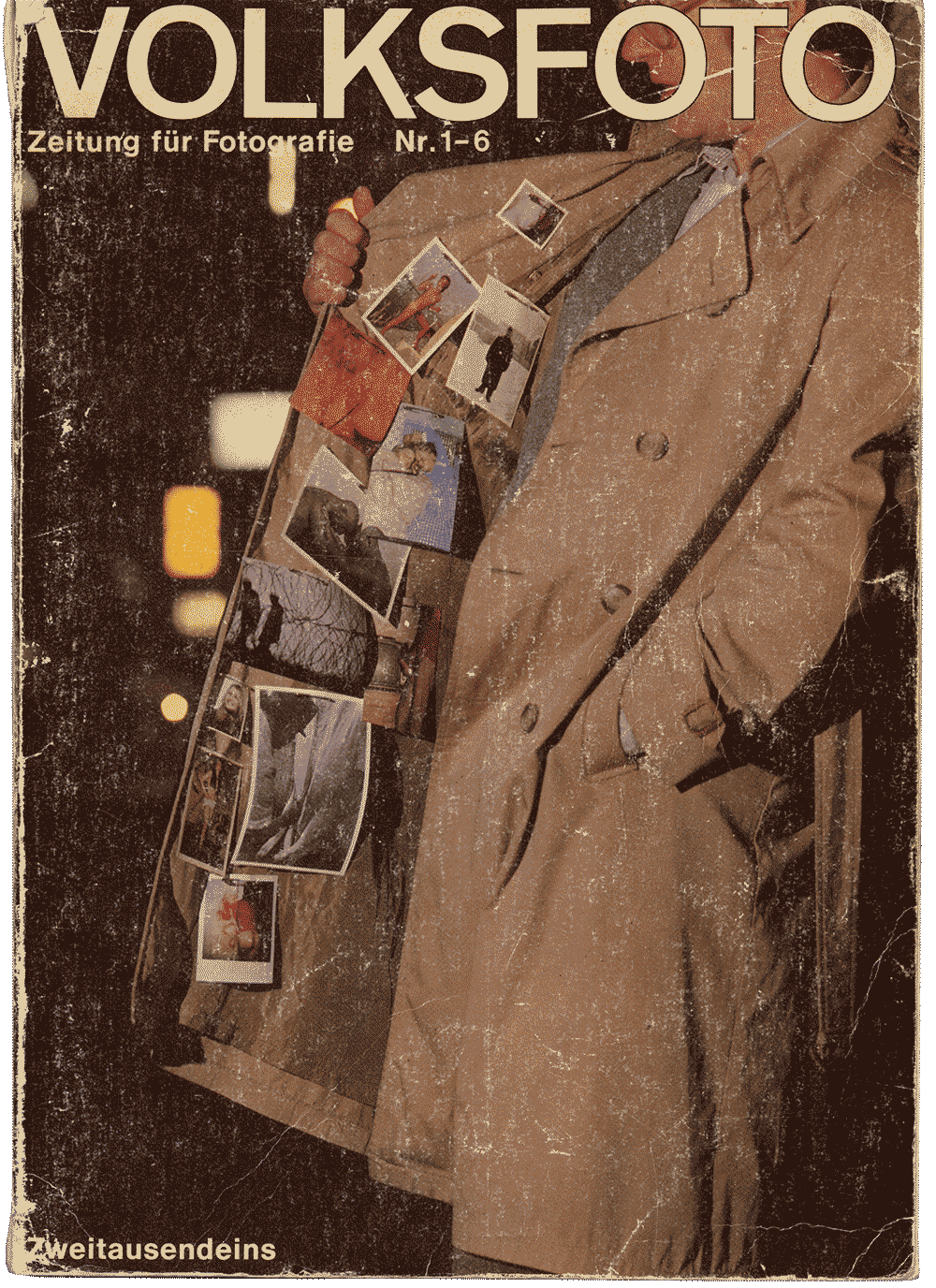
( A selection from WERKER Archief: Reclaiming Soil )